
Countdown to the conference
November 13th, 2026
Symposium Registration
Register for the The Indiana Mental Health & Addiction Symposium
Building on 75 Years: The Future of Behavioral Health Starts at the 2026 MHAI Mental Health and Addiction Symposium
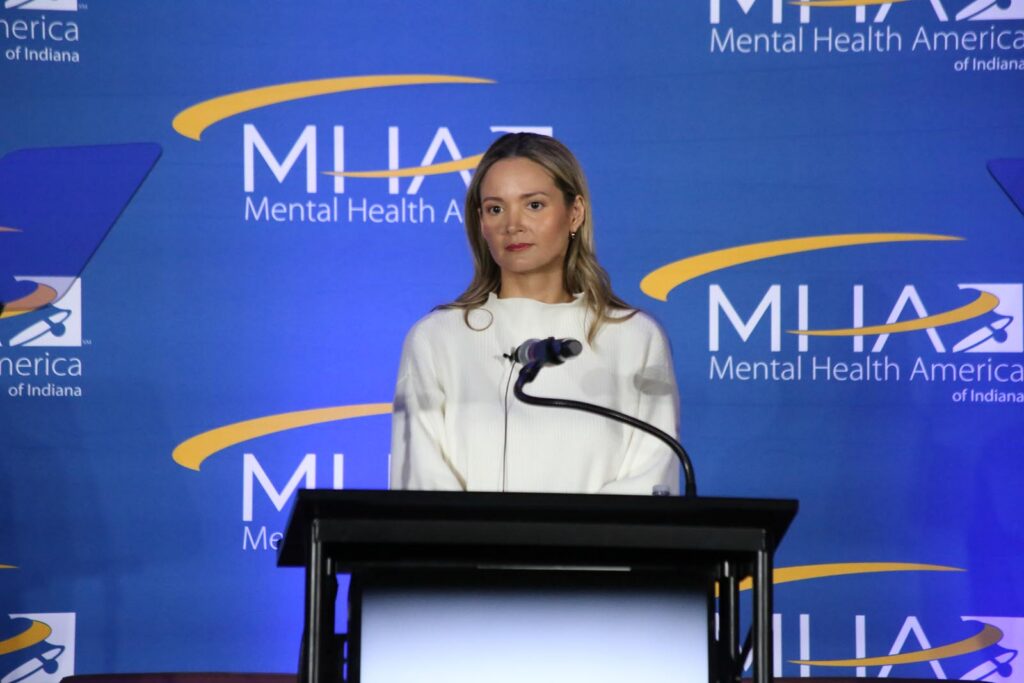
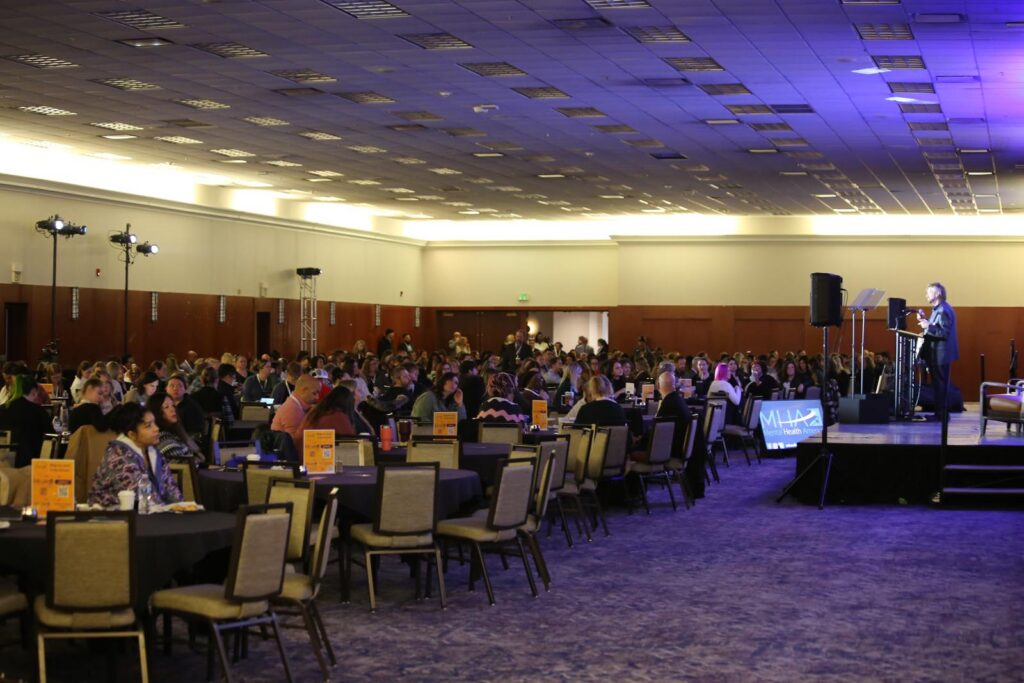
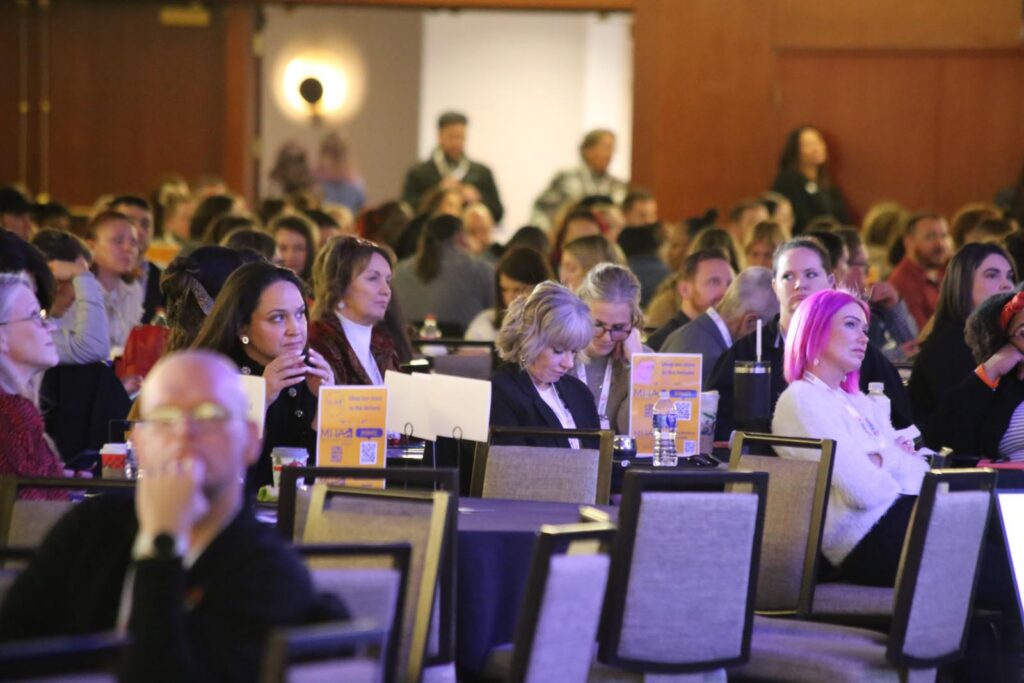
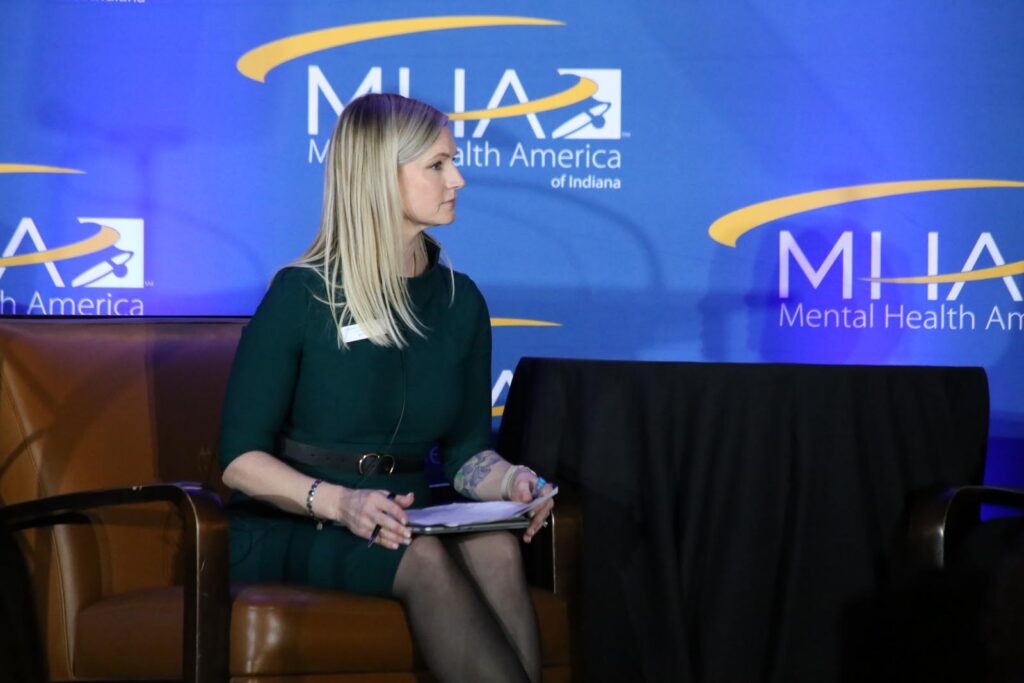
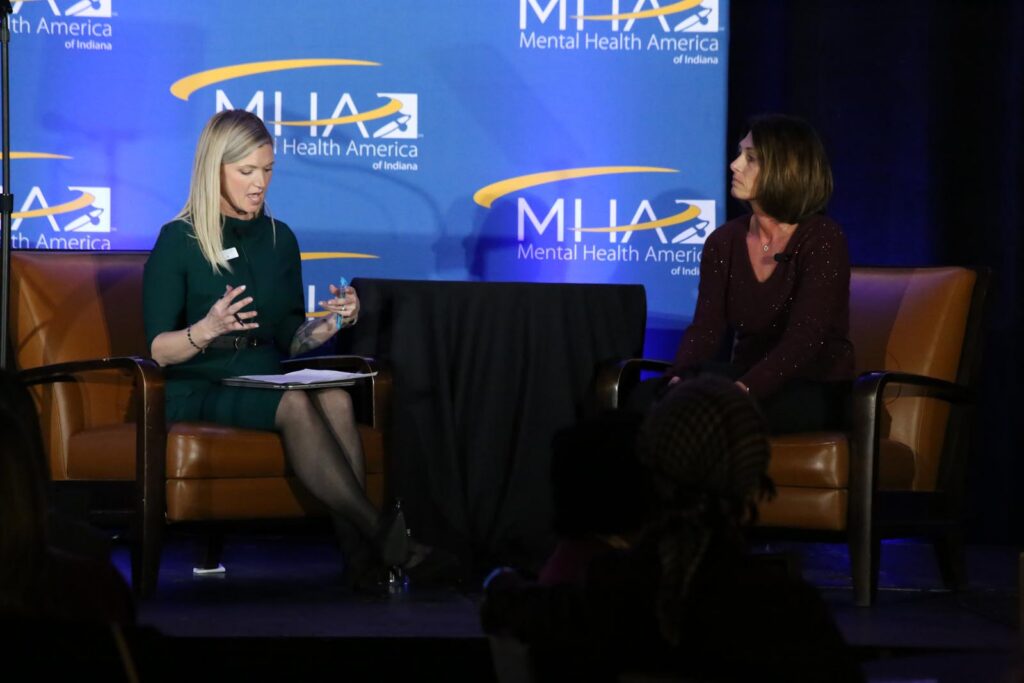
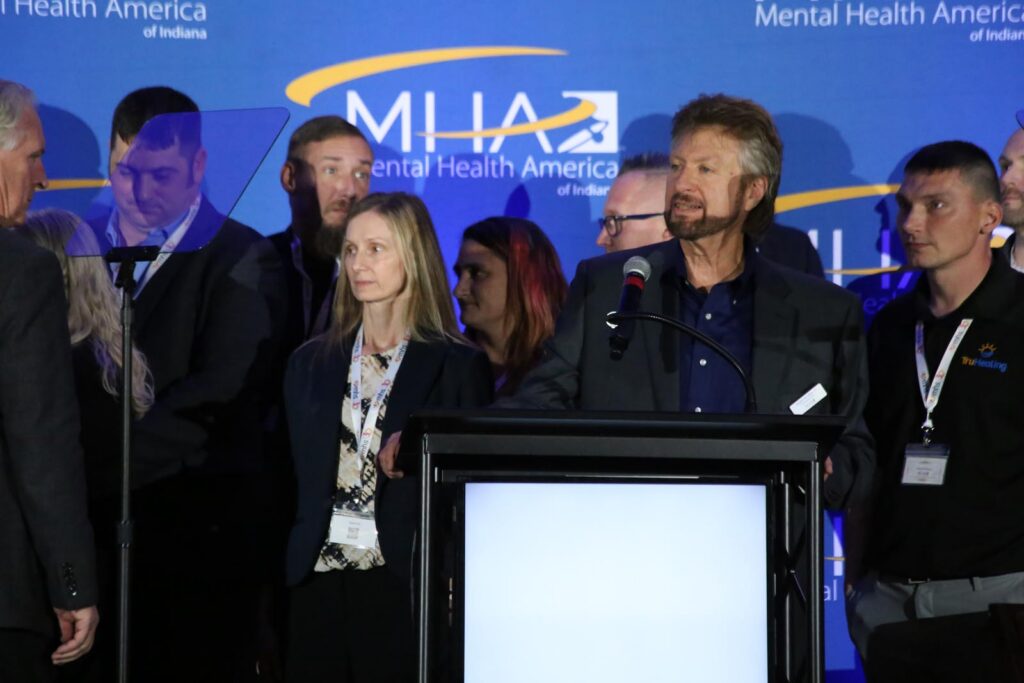
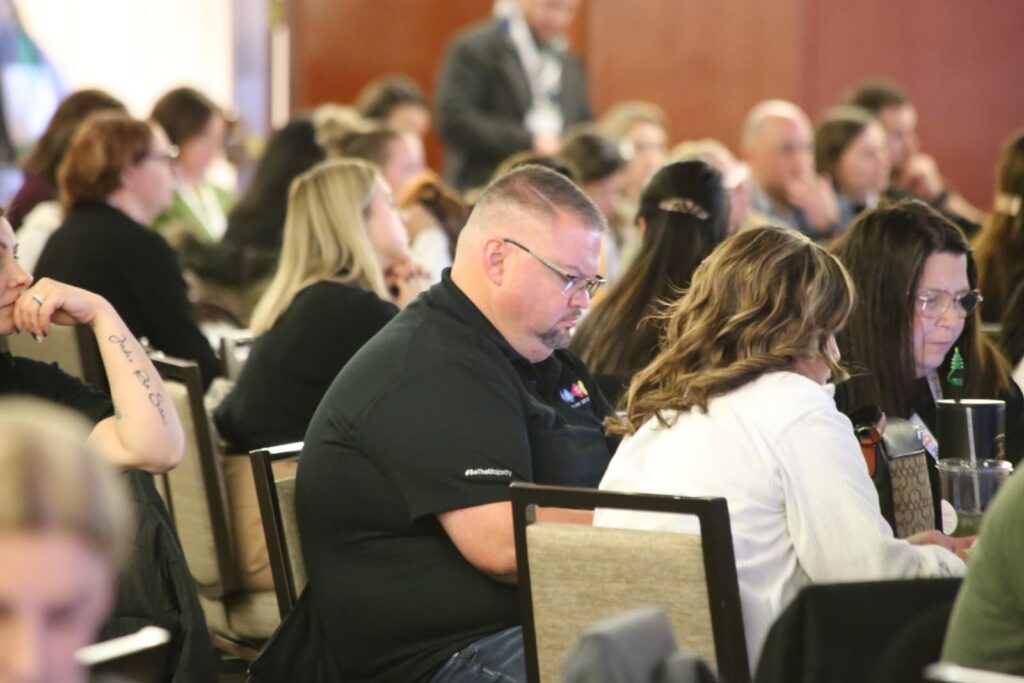
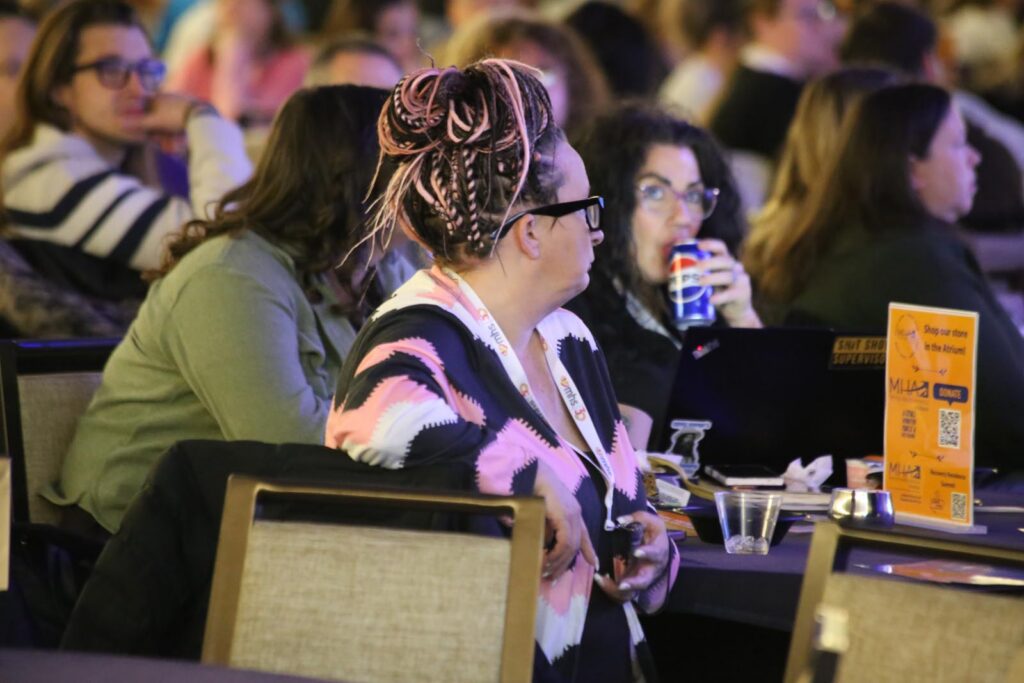
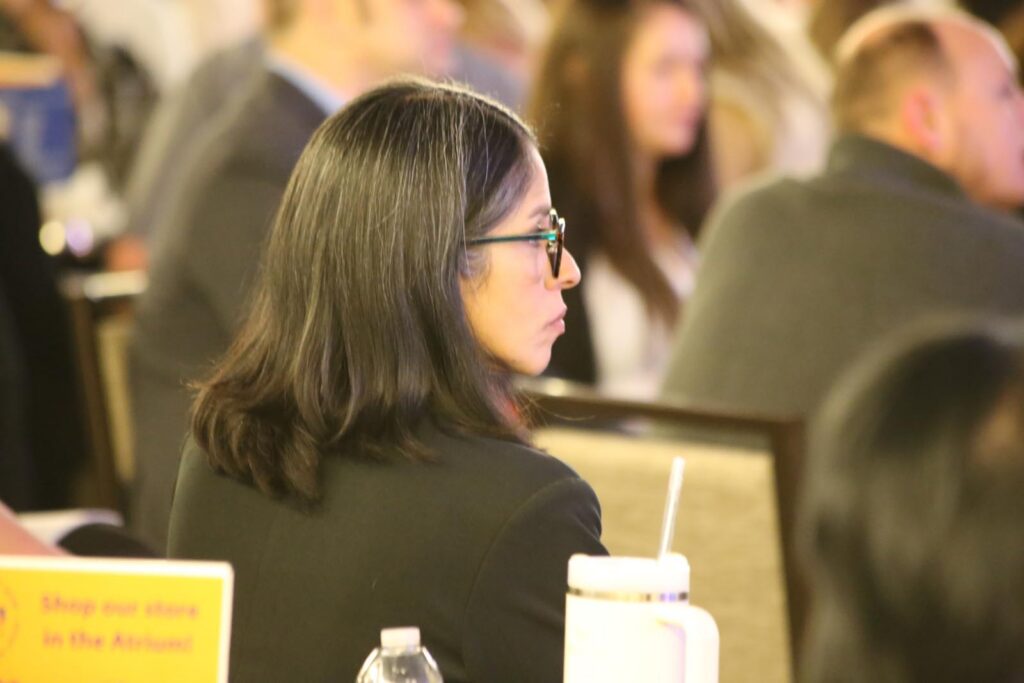
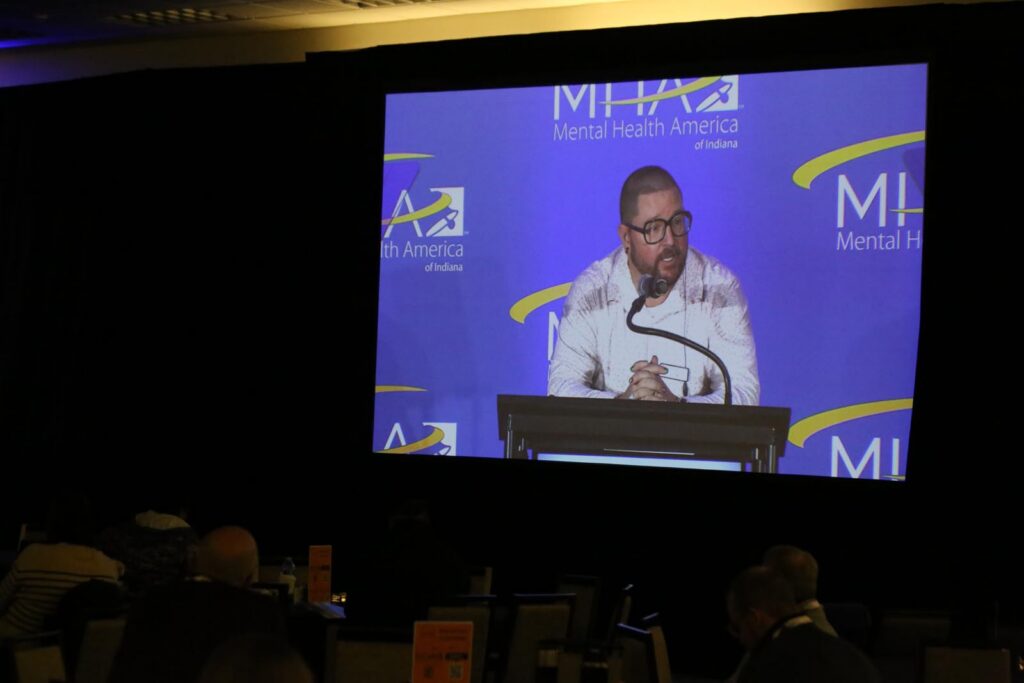
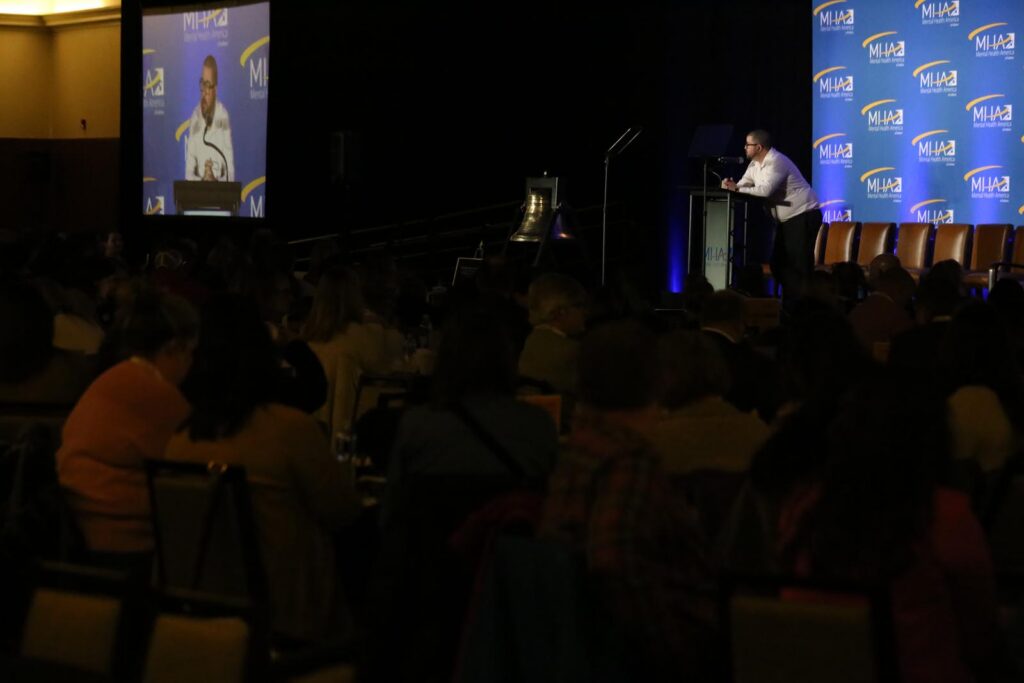
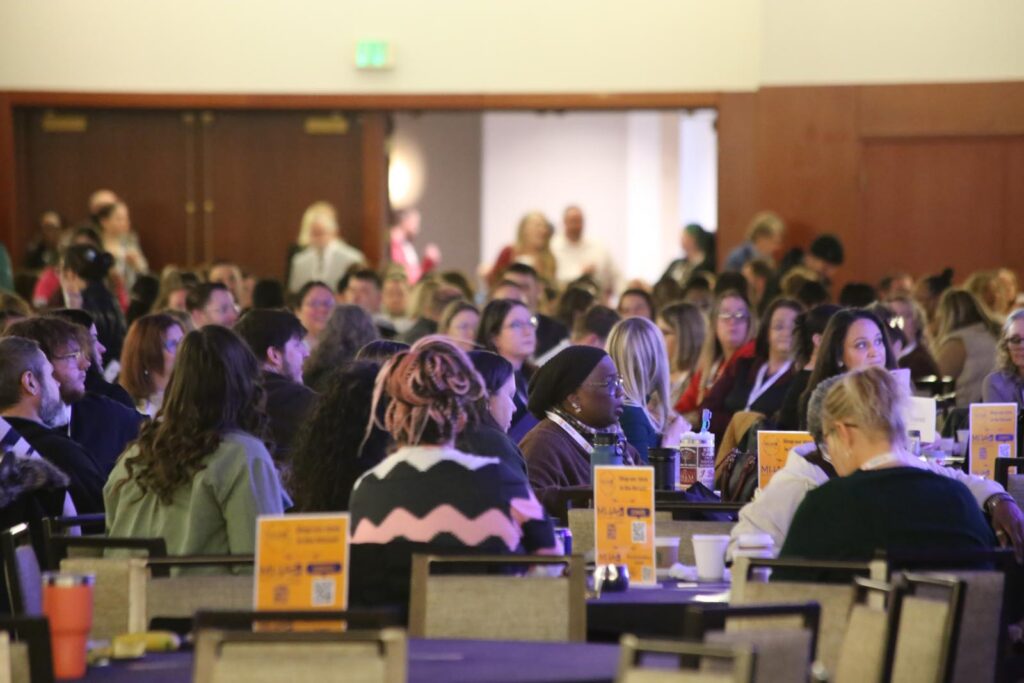
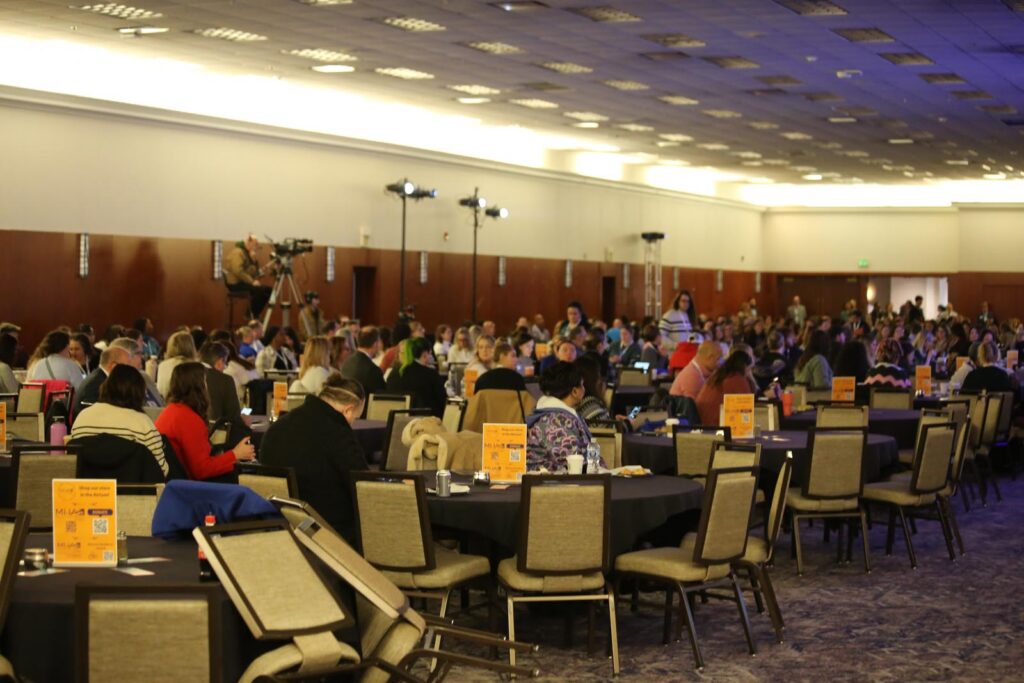
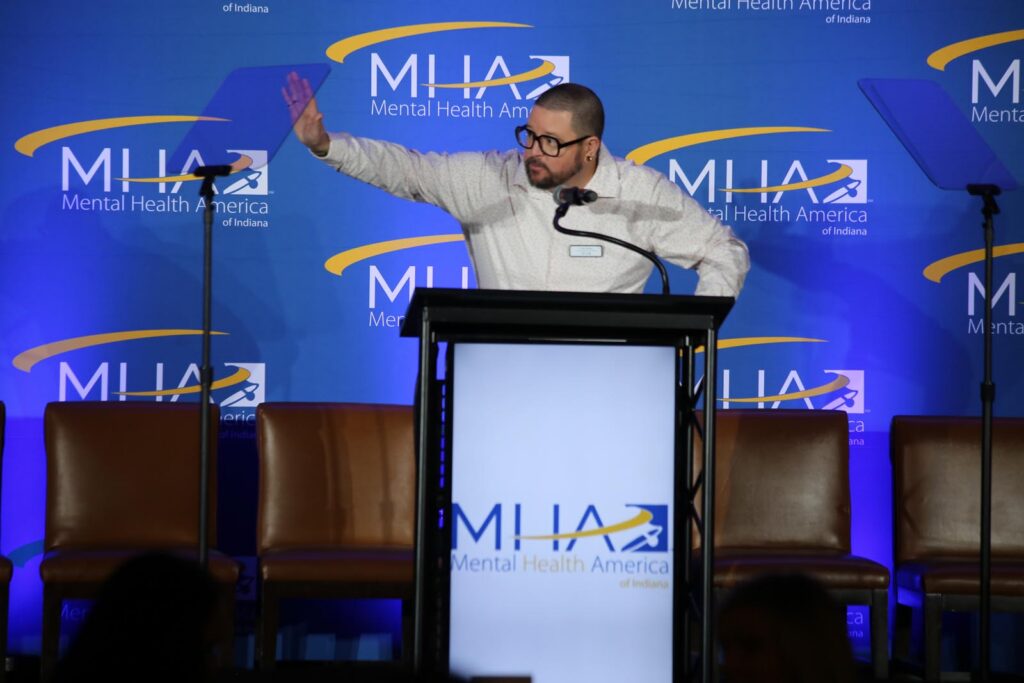
Mental Health America of Indiana is proud to host Indiana’s largest behavioral health conference on November 13, 2026. This year’s theme, Past, Present, and Future: 75 Years of MHAI, celebrates our legacy of advocacy while looking ahead to the ideas and partnerships shaping what comes next for mental health and addiction care across Indiana.
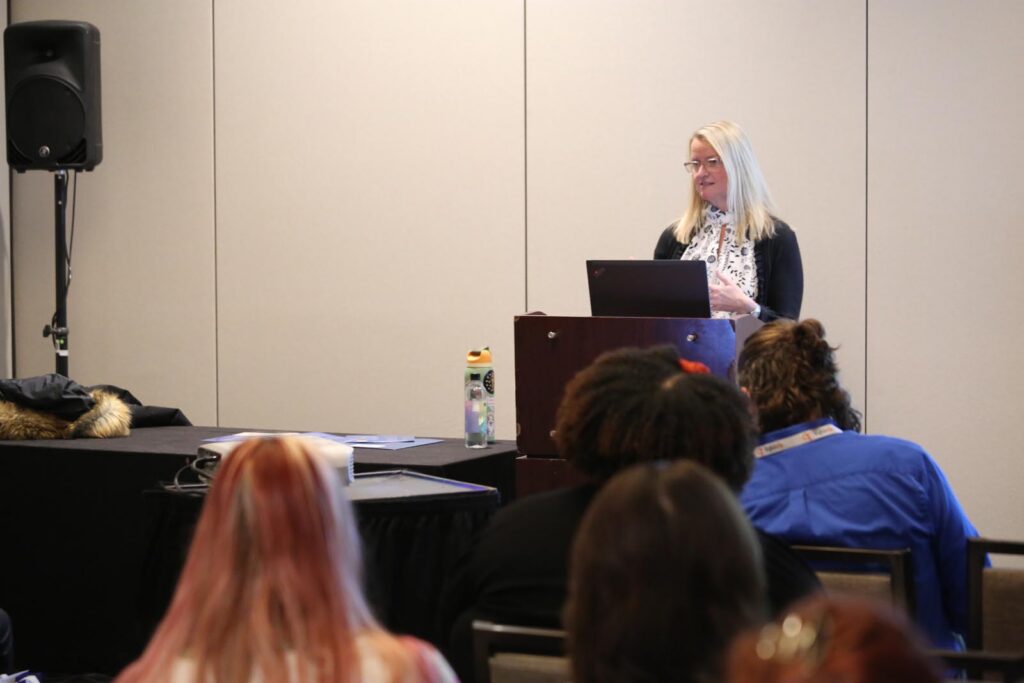
From emerging research and evidence-based practices to ethics and workforce development, the symposium will highlight the challenges of today and the opportunities of tomorrow. Attendees will gain practical insights, fresh perspective, and renewed energy for the work ahead.
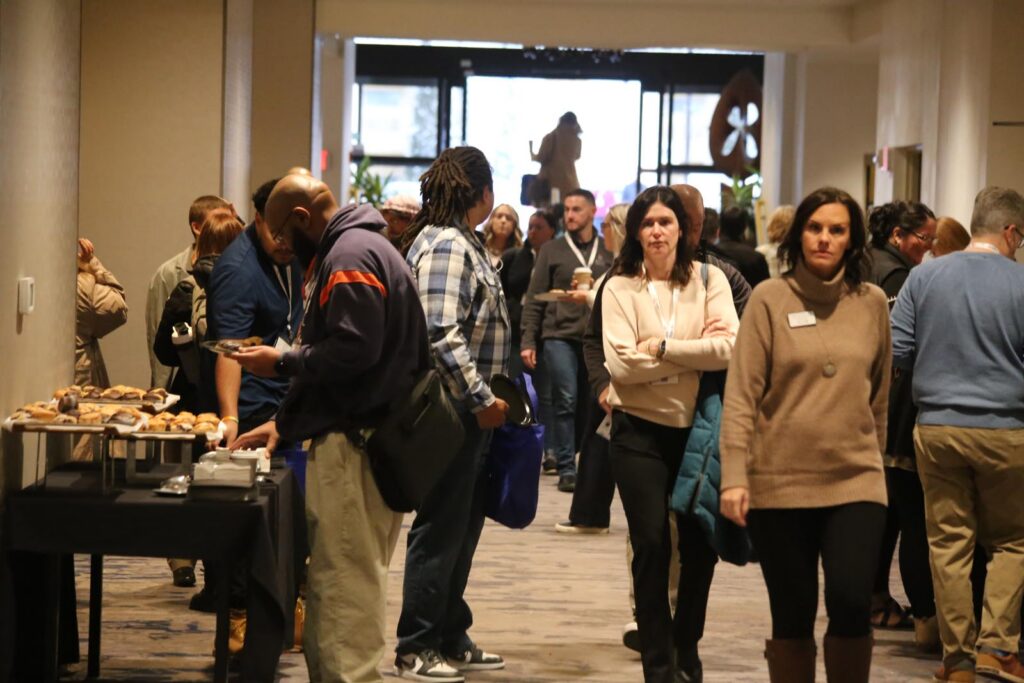
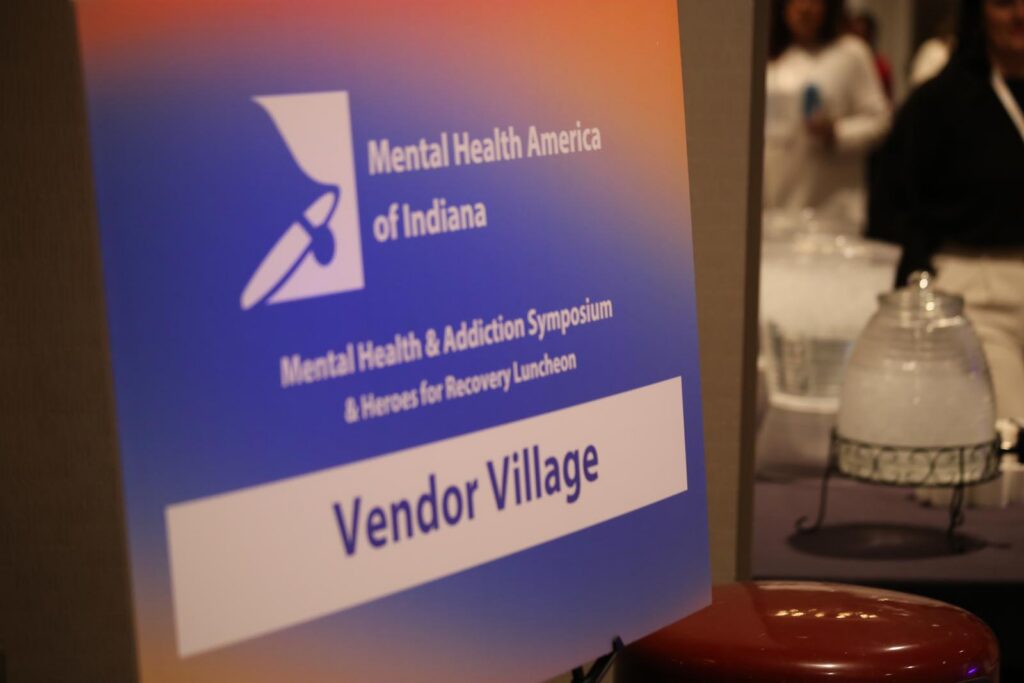
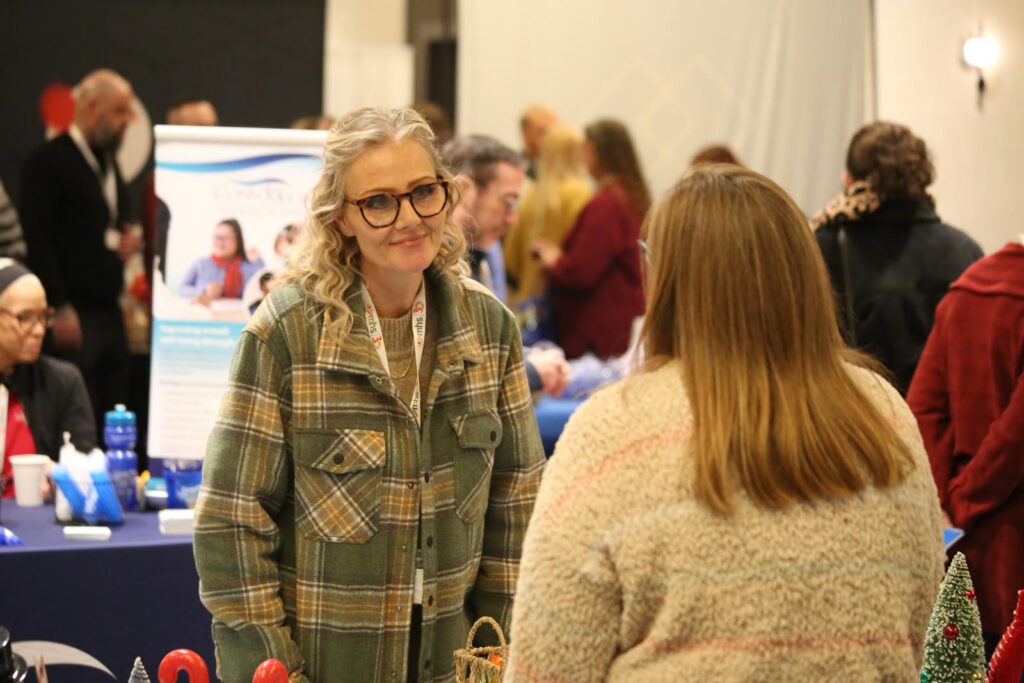
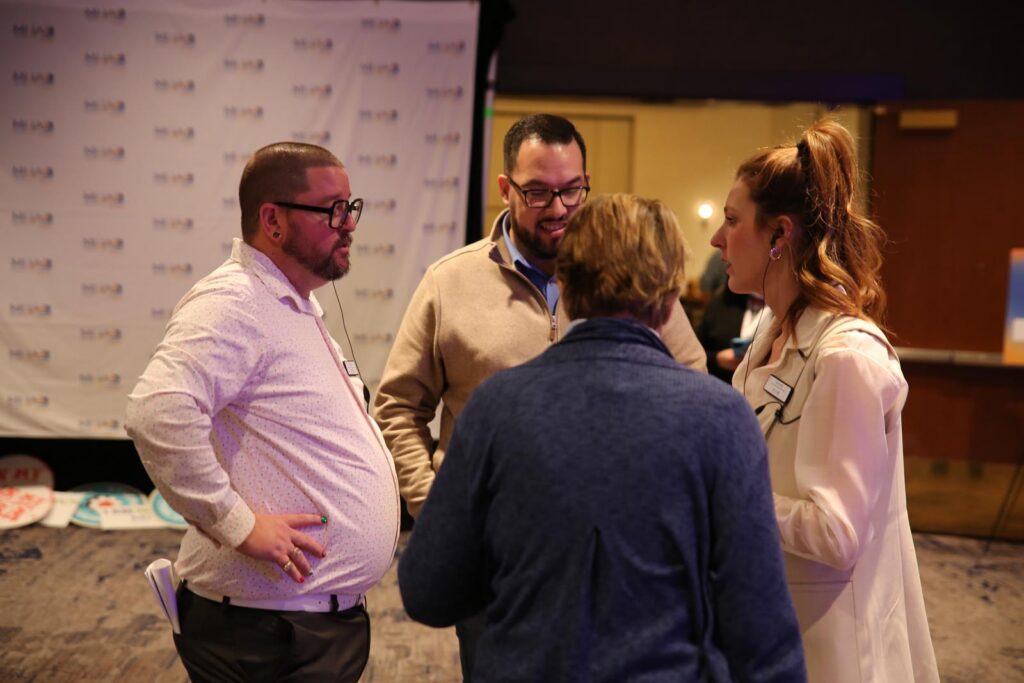
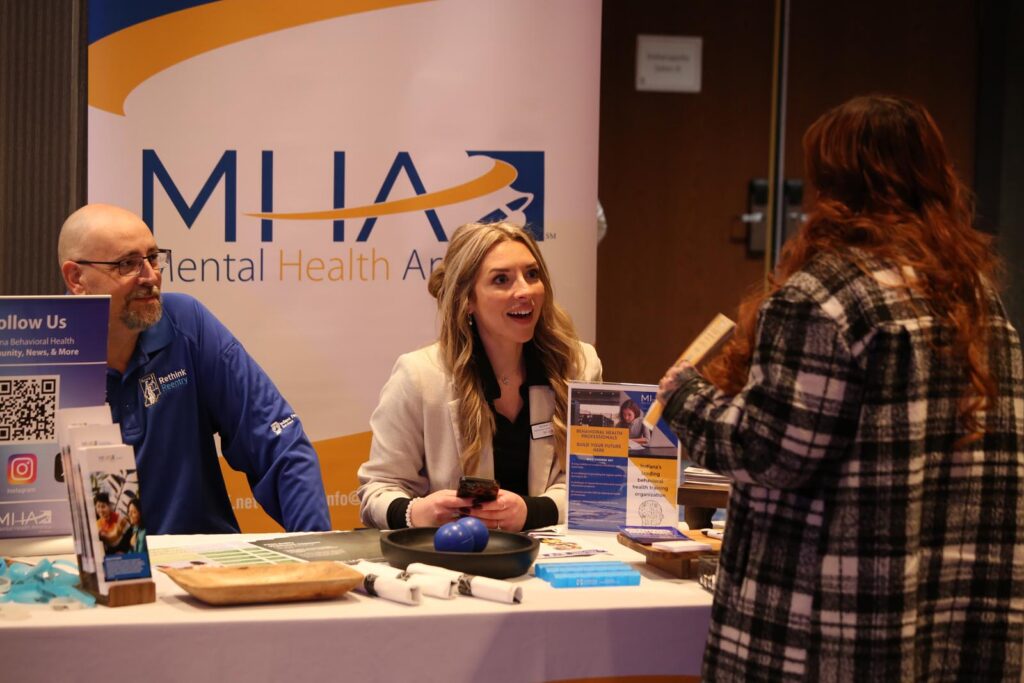
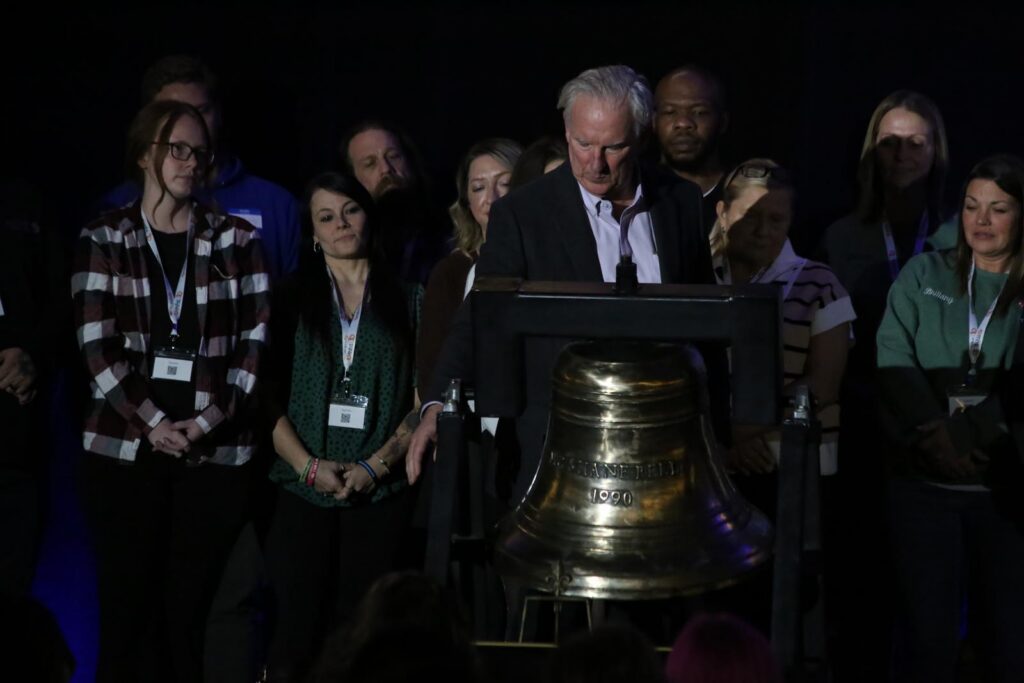
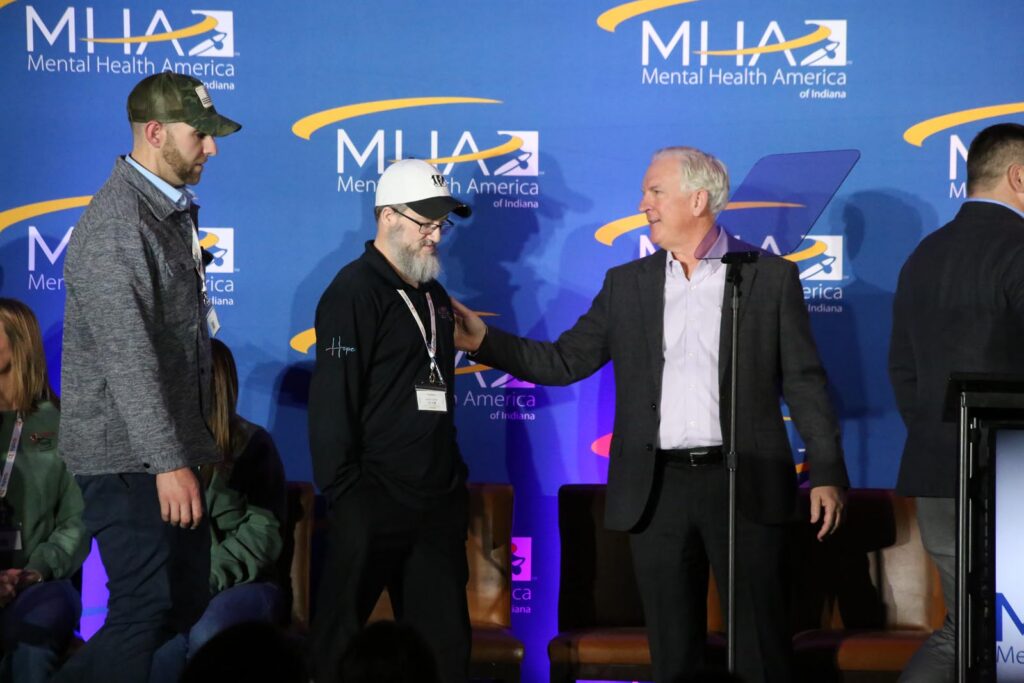
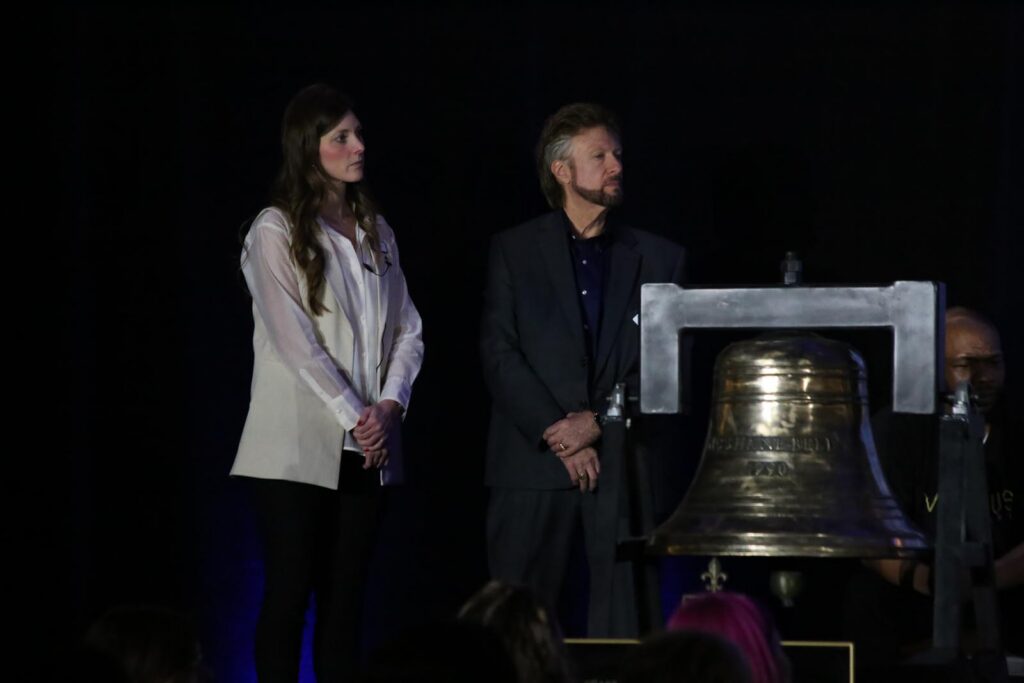
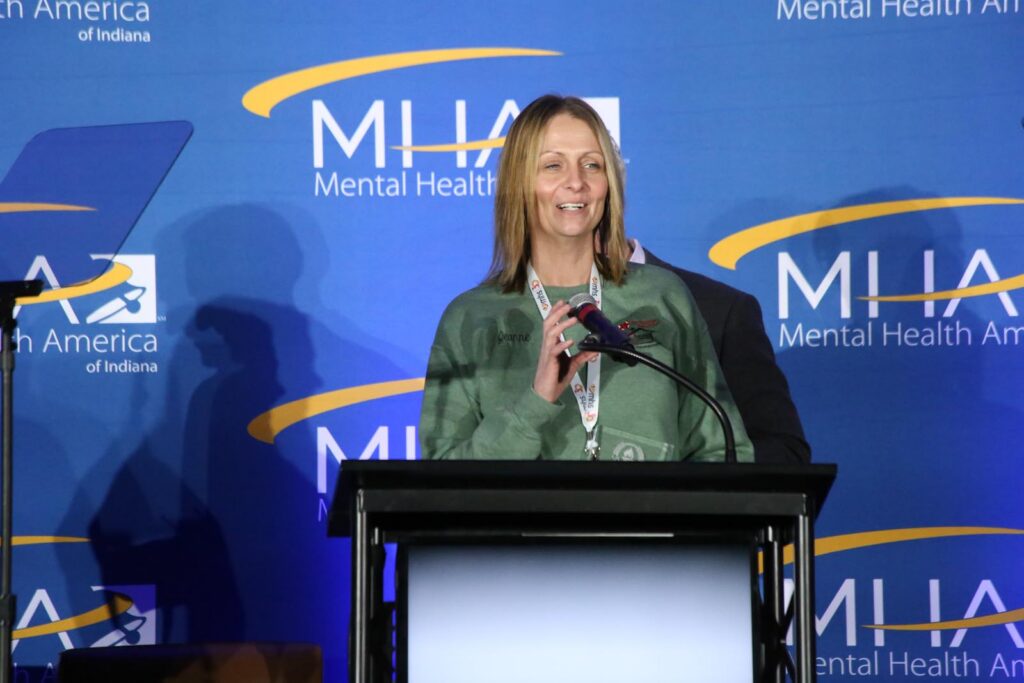
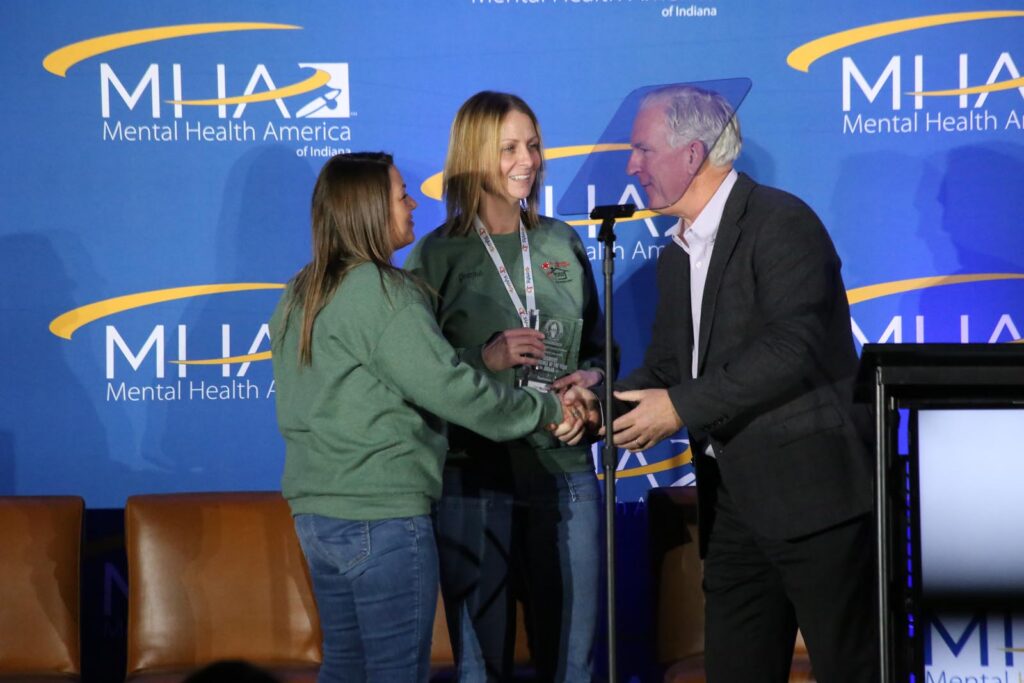
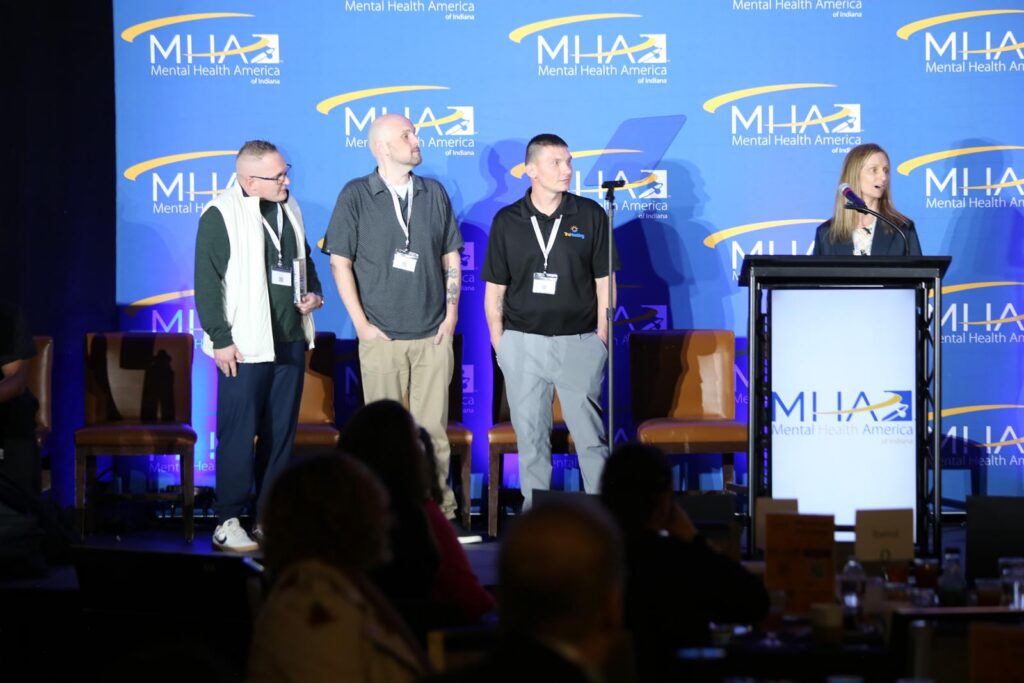
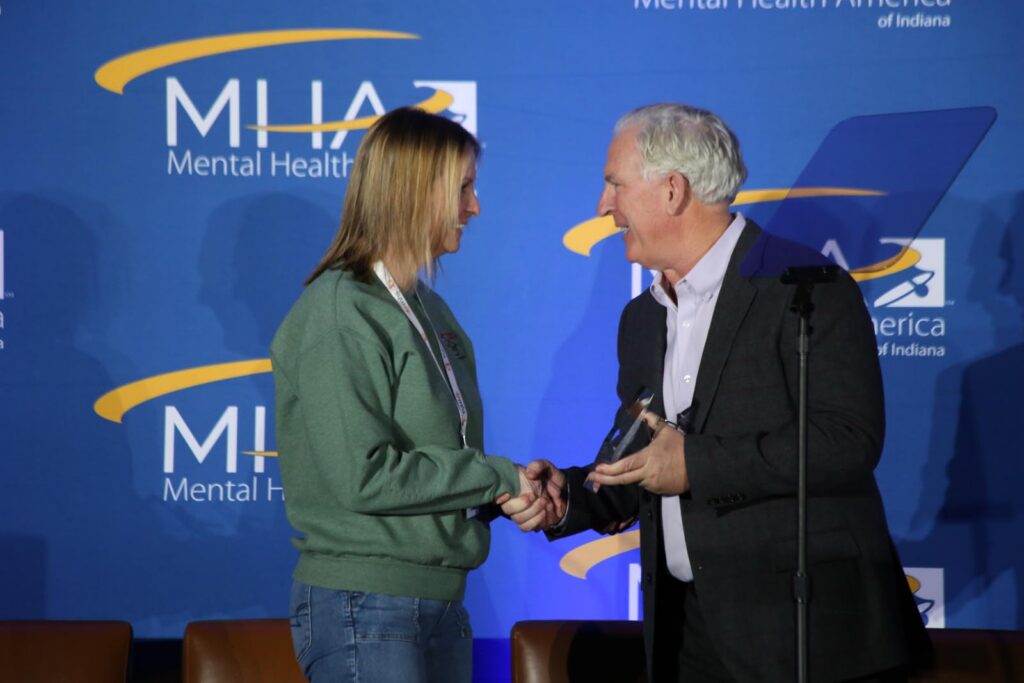
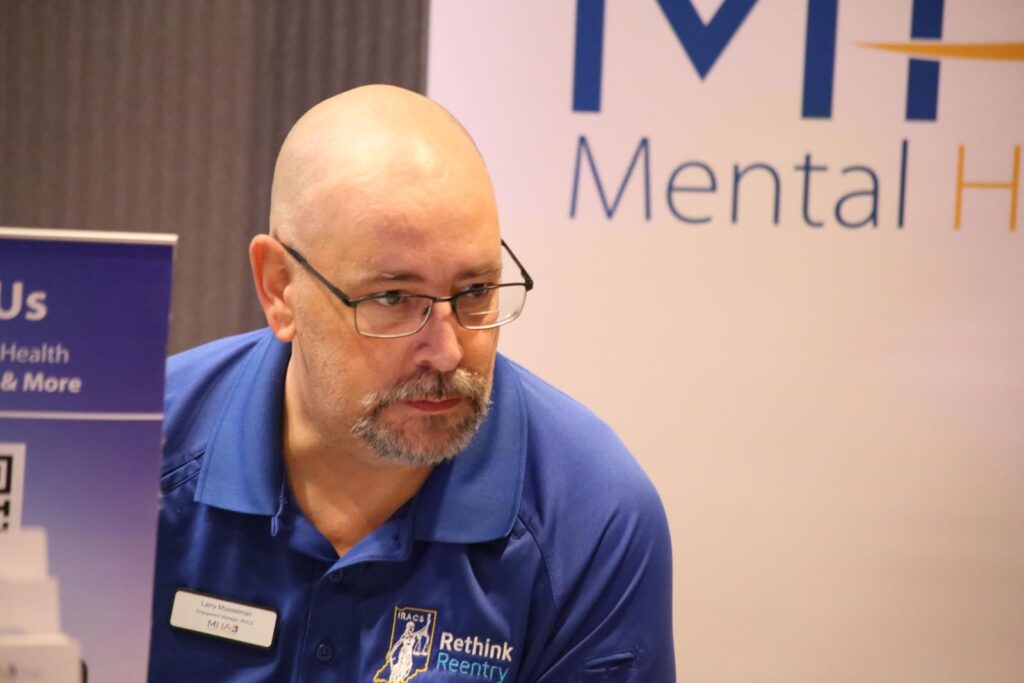
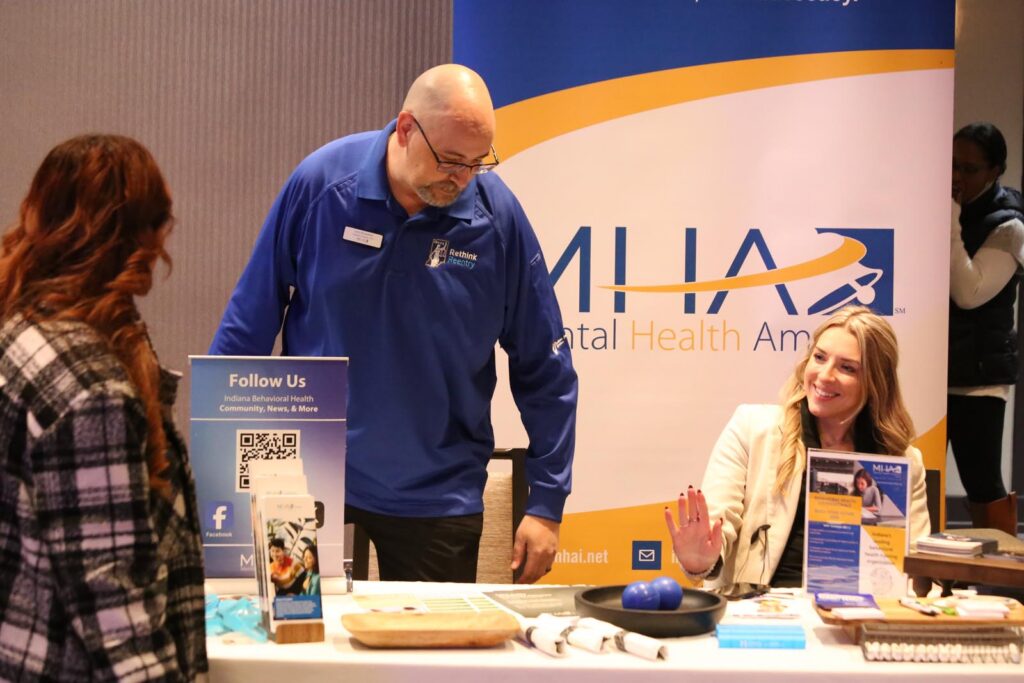
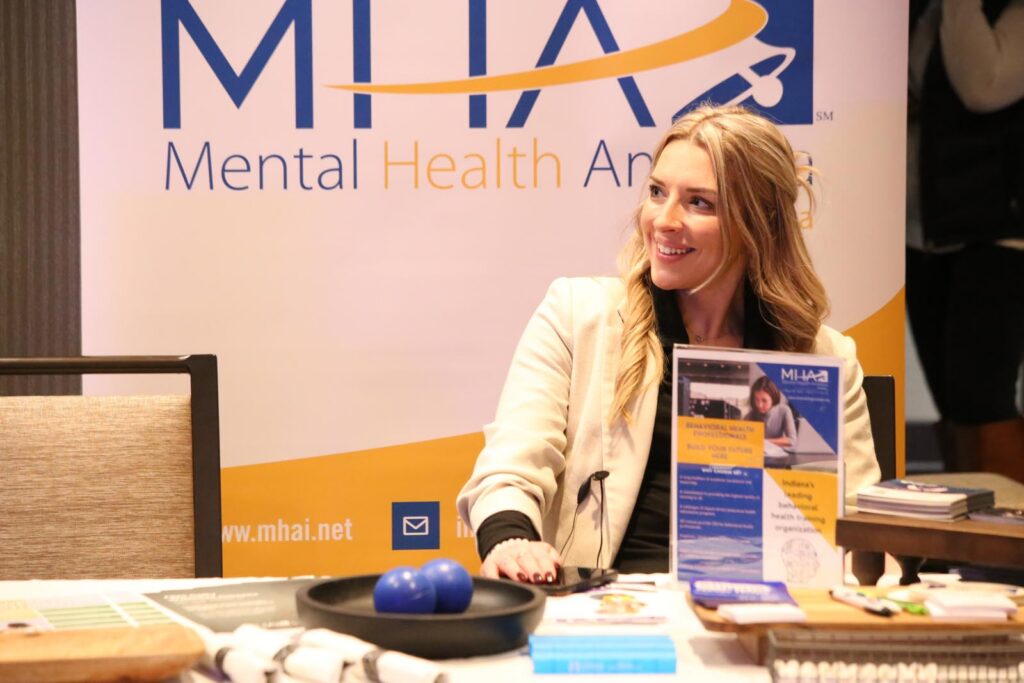
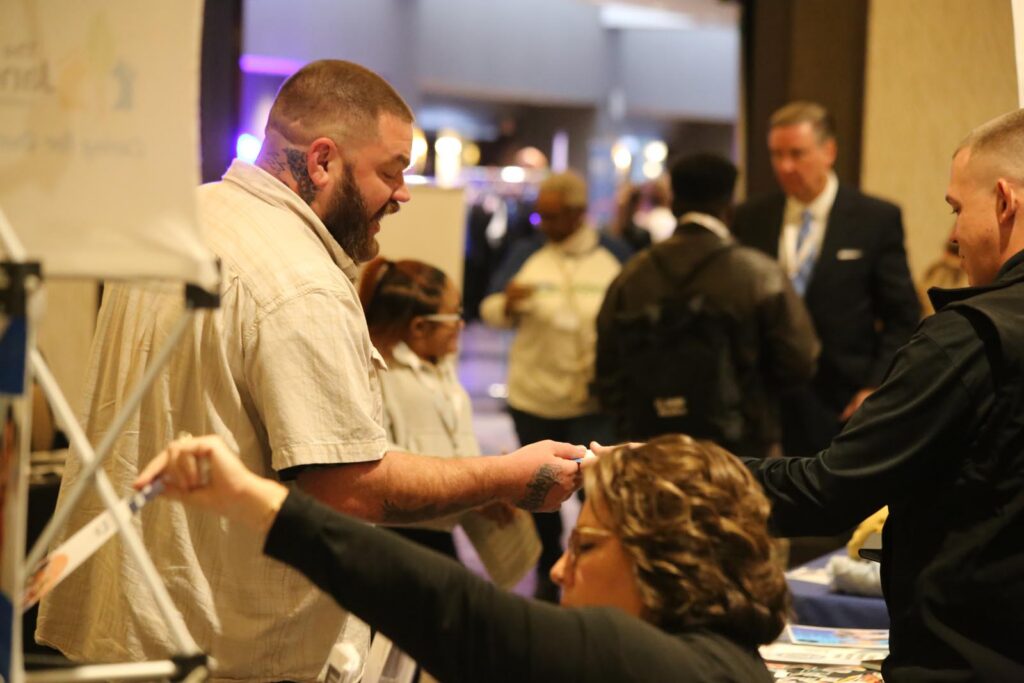
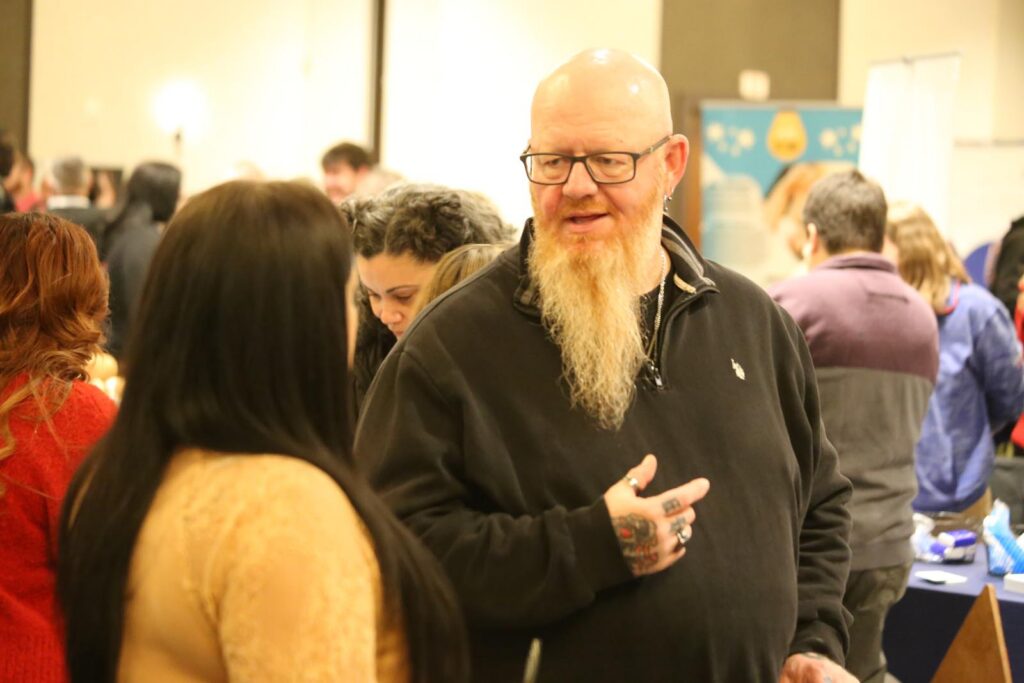
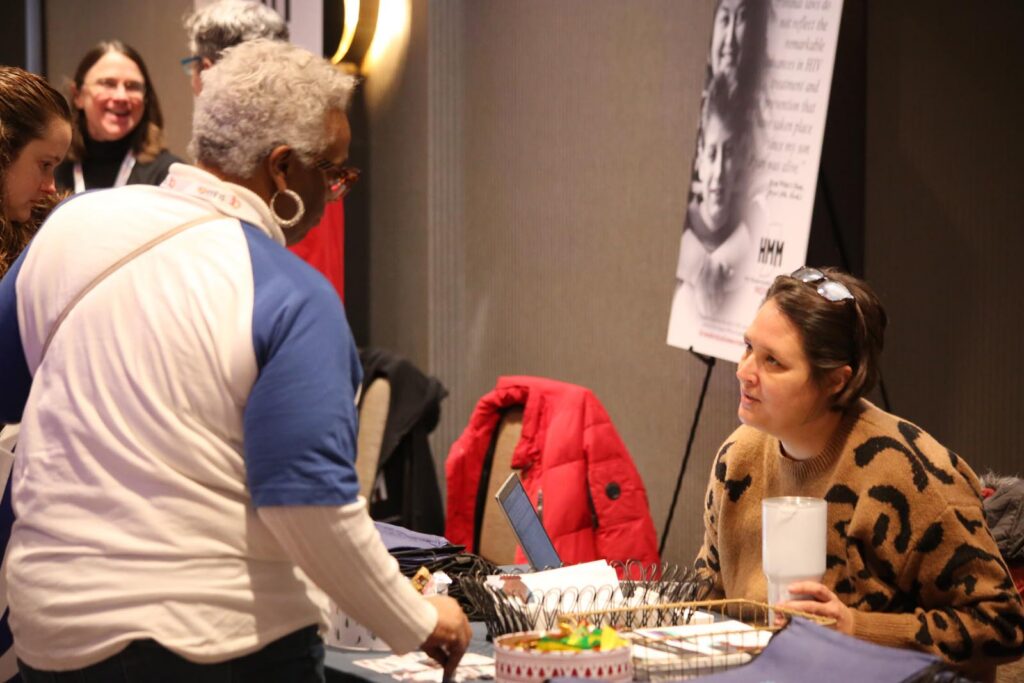
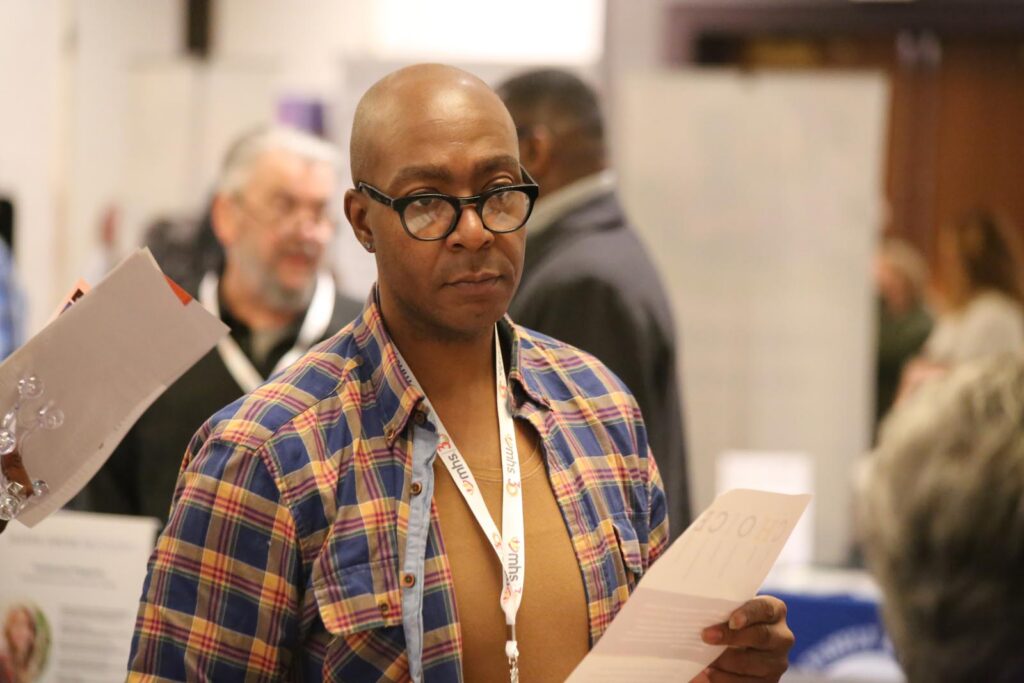
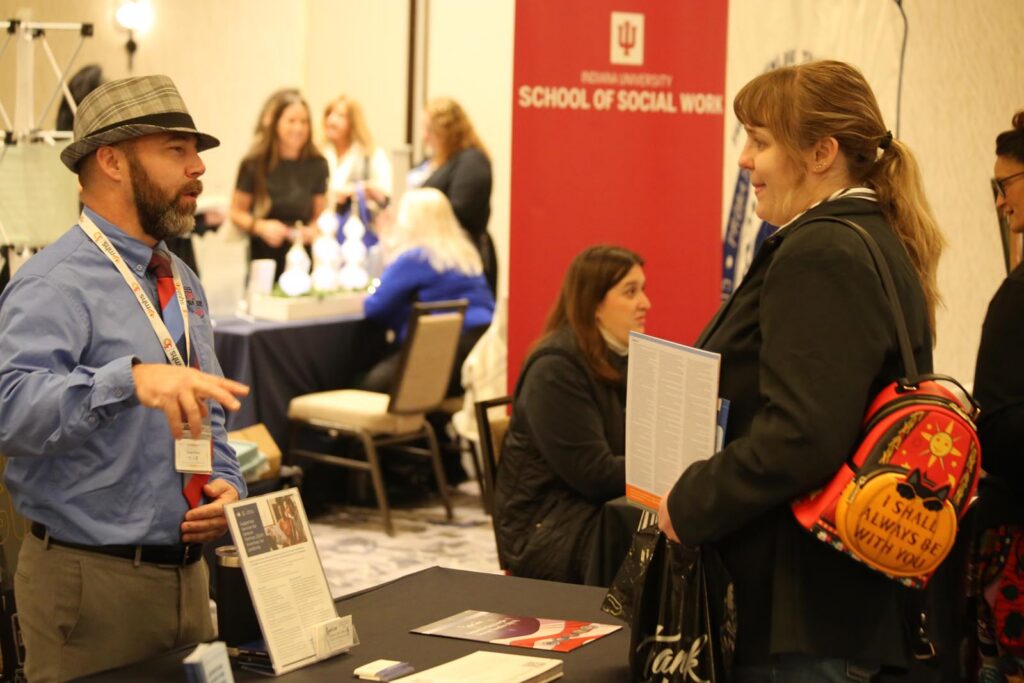
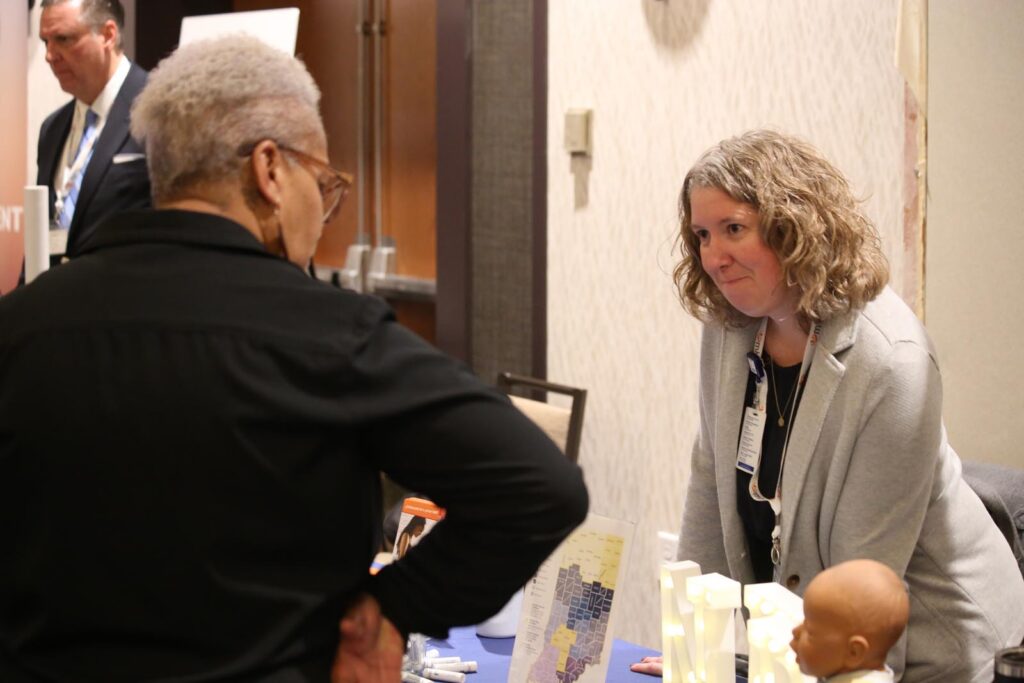
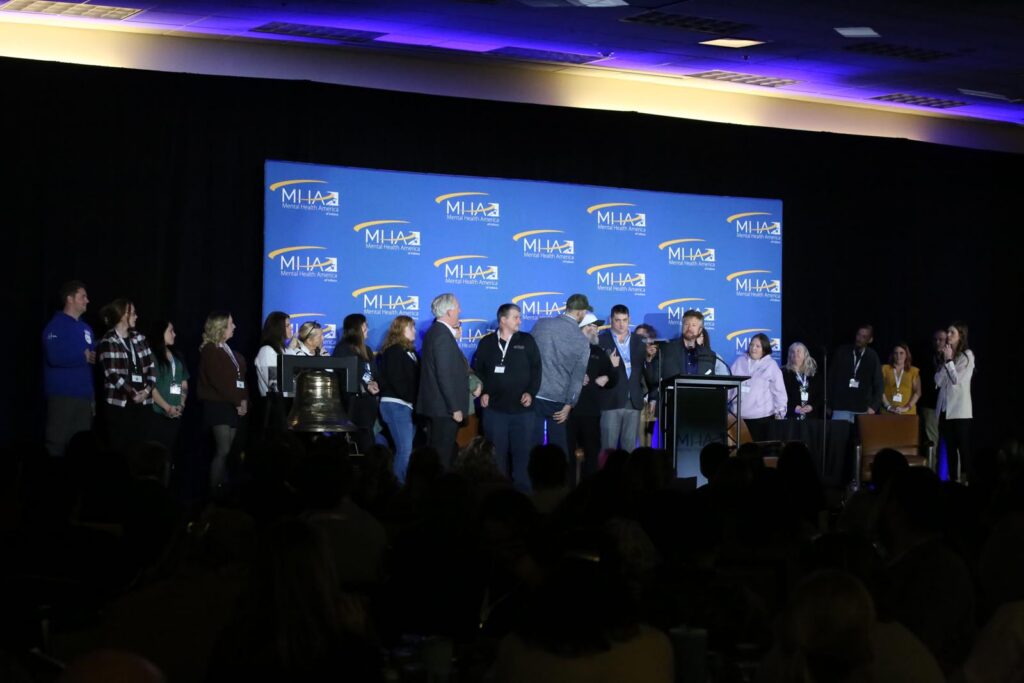
The day will also feature the annual Heroes for Recovery awards during lunch, honoring Hoosiers making a difference in behavioral health. In addition, attendees can explore Vendor Village, connect with providers and agencies from across the state, and build valuable new relationships with colleagues and partners.
Join us for a dynamic day of learning, connection, and celebration as we honor 75 years of MHAI and look toward the future of behavioral health in Indiana.
Check back often for updates on our exciting line up of speakers and vendors!















Agenda

November 13, 2026
Why the Behavioral Health Field Needs to Get Better at Getting Better: A New Horizon for Quality Improvement
Leslie Hulvershorn, MD
Professor and Chair of Psychiatry
IU School of Medicine
Medical Director, Indiana DMHA
This session will focus on the use of the Learning Health Network to improve quality in healthcare. Dr. Hulvershorn leads a national effort titled the Youth Mental Health Action Network whose mission is to promote the use of evidence based strategies to improve the quality of youth mental health care across the United States. Come learn how successful these efforts have been in other areas of medicine and how to get involved.

November 13, 2026
Supporting Indiana’s CCBHCs: 2026 Update from the IU Evidence-Based Practice Center
Gabriela M. Rodríguez, PhD, HSPP
Associate Professor of Clinical Psychiatry
Indiana University School of Medicine
Department of Psychiatry
This session includes 1) a brief overview of Indiana’s participation in the Certified Community Behavioral Health Clinic (CCBHC) Medicaid Demonstration Program, 2) an update on how the IU EBP Center, in collaboration with DMHA, supports the CCBHC demonstration, 3) a review of recent data from the Center’s activities, and 4) a discussion of next steps.
November 13, 2026
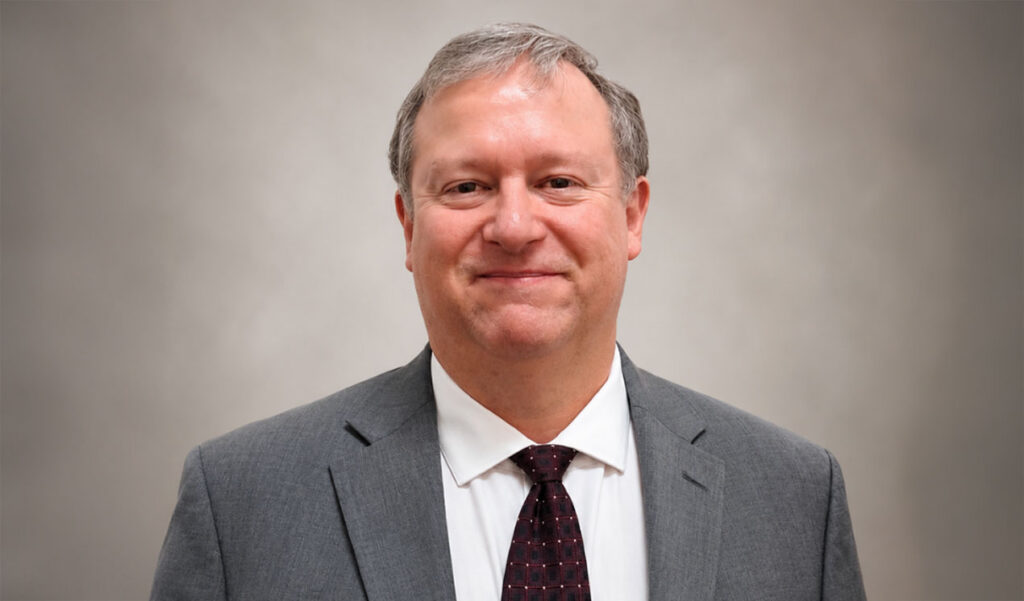
Inpatient vs. Community-Based Restoration: What Can Work as State Hospitals Face Mounting Pressures
Danny Meadows, MD
Medical Director
Logansport State Hospital
Board Certified: General and Forensic Psychiatry
Discuss how the state of Indiana currently handles competency to stand trial restoration services. Will identify how community and inpatient competency restoration services can complement each other as the needs of these services are expected to increase significantly over the next 5 years.

November 13, 2026
AI and Behavioral Health: What is promising and what are the ethical dilemmas?
Emily Holmes, MD, MPH, HEC-C
Associate Professor of Clinical Psychiatry
Indiana University Department of Psychiatry
Fairbanks Center for Medical Ethics at IU Health
Dong Whi Yoo, PhD
Assistant Professor
Luddy School of Informatics, Computing, and Engineering
Indiana University Indianapolis
Artificial intelligence is rapidly entering behavioral health, from chatbots that offer emotional support to ambient documentation tools that draft clinical notes from a conversation. As these technologies move from novelty to everyday practice, clinicians, administrators, and advocates face a pressing question: which applications genuinely improve care, and which introduce new risks? This session begins by demystifying the foundational concepts and terminology behind AI, clarifying what terms like machine learning, large language models, and generative AI actually mean, before surveying the concrete ways AI is already being used across behavioral health settings.
With that shared vocabulary in place, the session then examines the potential harms and key ethical concerns that accompany these tools. Drawing on clinical and ethical perspectives, we will consider issues of privacy, bias, transparency, the therapeutic relationship, and appropriate boundaries of use. Our aim is not to declare AI good or bad, but to equip attendees with a balanced framework for evaluating emerging technologies in their own work and asking the right questions as these tools become more common in practice.
November 13, 2026
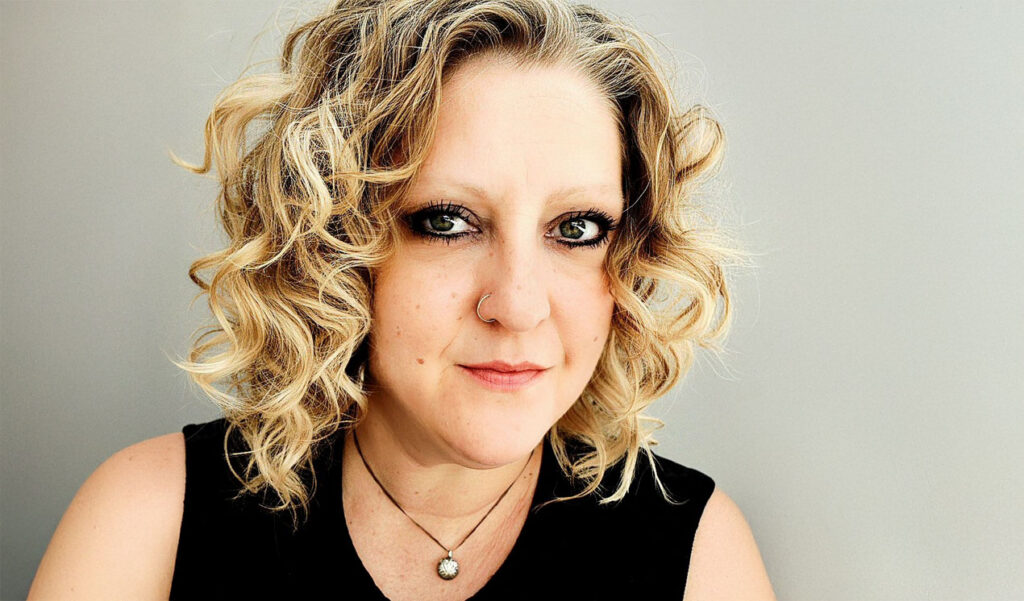
ACE’s, P(a)CE’s, and Building Resiliency
Kristen Ludeker-Seibert, BA
Director
Indiana Suicide Prevention Network
What’s predictable is preventable. We know now that the memory of childhood experience is stored in our bodies and not just our minds. From that first spark of life, experience has a profound impact on who we are and who we will become. In the past few decades, there has been an explosion of new understanding – beginning with the Adverse Childhood Experience, or “ACE” Study – about how and why adversity and trauma can reliably predict risks for mental, physical, and behavioral health. But ACEs aren’t destiny, and that is not the end of this story.
Because of recent discoveries in neuroscience and epidemiology, plus resilience studies, we can understand how protection, prevention, and resilience can profoundly improve health, safety, and productivity now and for generations to come. This session is about discovery. It’s a story of scientists who challenged themselves to think differently about the facts they could see and the continued building upon discoveries that helps move people from adversity into resilience.
November 13, 2026
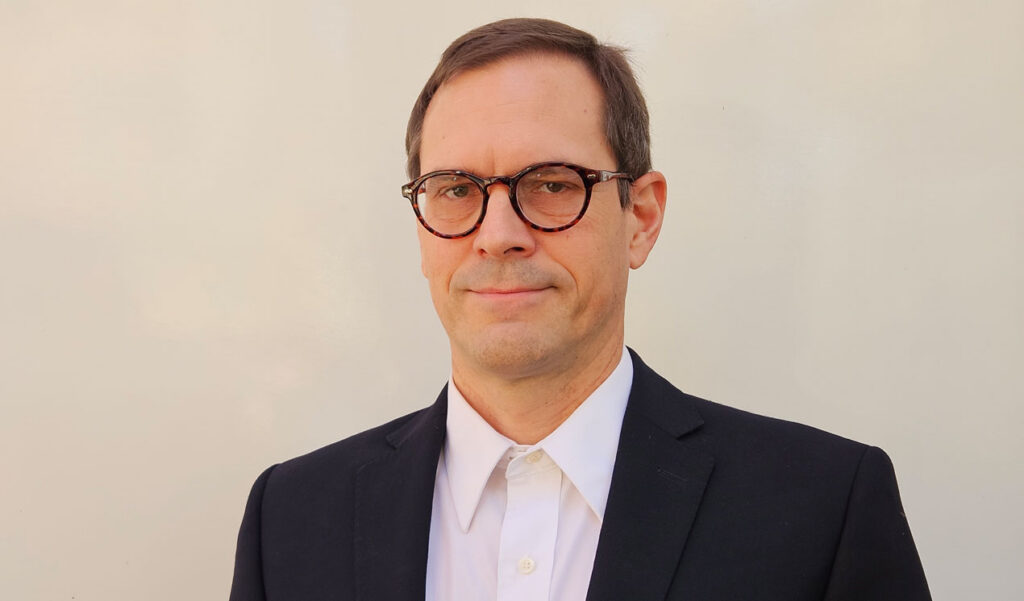
Temporal interference electrical neurostimulation as a potential treatment for nicotine dependence
Joshua W. Brown, PhD
Indiana University
Temporal interference (TI) electrical neurostimulation is a promising new non-invasive method that allows focal stimulation of deep brain regions without off-target effects on overlying cortical regions. This holds promise for both basic research on the role of deeper brain regions and potential clinical applications, including addiction. New combined TI/fMRI studies show that TI can increase fMRI BOLD activation in deeper brain regions, and ongoing clinical trials aim to clarify whether TI directed to limbic regions can reduce nicotine use.

November 13, 2026
Emerging Evidence on Cannabis Use among Perinatal Populations
Rachel Gunn, PhD
Licensed Clinical Psychologist
Indiana University School of Medicine
This session will provide an up-to-date overview of cannabis use and cannabis use disorder among pregnant and postpartum individuals, examining prevalence trends alongside key clinical and sociodemographic factors. Participants will explore why patients use cannabis during this period, including common motivations and associated maternal health conditions. Current evidence on outcomes for both birthing person and child will also be discussed, and considerations specific to novel cannabis products. The session will also address the practical dimensions of clinical care, common ethical considerations, and how patients commonly respond to disclosure conversations. Attendees will leave with actionable guidance for counseling patients and an introduction to emerging intervention approaches aimed at supporting individuals who wish to reduce or discontinue cannabis use during the perinatal period.
November 13, 2026
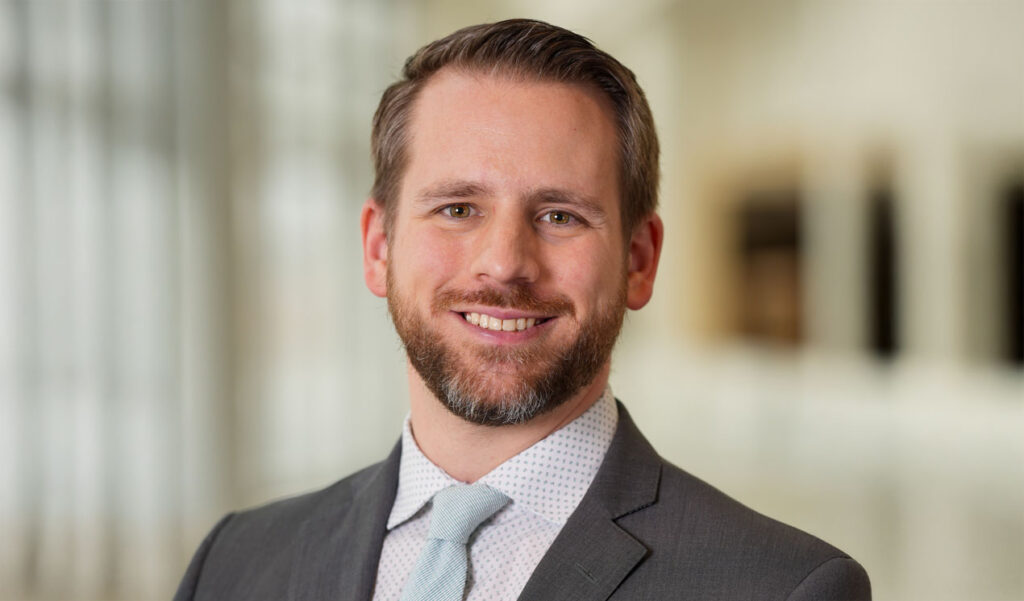
Neurosurgical Approaches to Treatment-Resistant Mental Illness
David A. Purger, MD, PhD
Assistant Professor of Neurological Surgery
Adjunct Assistant Professor of Psychiatry
Director of Functional Neurosurgery
Indiana University School of Medicine
Mental illness remains one of the most significant causes of disability around the world, and a meaningful subset of patients do not respond to medication or psychotherapy alone. This session explores the growing role of neurosurgery in addressing these treatment-resistant conditions, covering historical perspectives on surgical treatment of psychiatric disease, currently established approaches like deep brain stimulation (DBS) for depression and OCD alongside newer modalities including focused ultrasound and responsive neurostimulation, and an outlook on the future of precision interventions. Attendees will gain a deeper understanding of how neurosurgery, psychiatry, and neuroscience are converging around circuit-based models of mental illness and the targeted surgical therapies that seek to alleviate suffering by intervening on these circuits in a personalized, patient-specific manner.
November 13, 2026
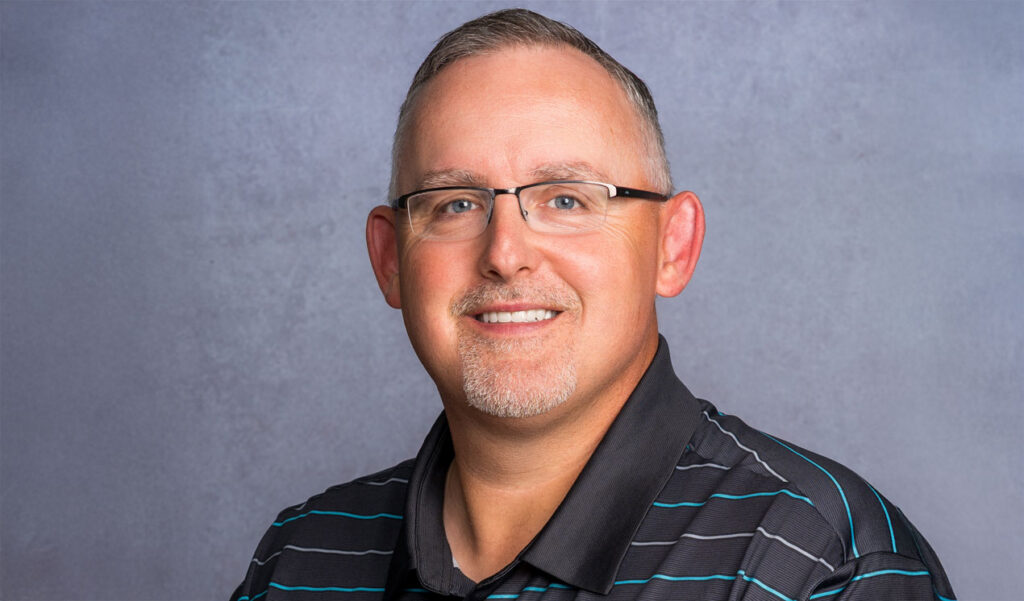
Recovery Capital as a Roadmap
Shane Ehrhart, CADAC II, MATS, CSPR-PR, CPRC-FS/MH
IRACS Director, Mental Health America of Indiana
Too often, recovery services are built around what is going wrong: symptoms, relapse, missed appointments, rule violations, and unmet needs. This session introduces recovery capital as a practical framework for seeing the whole person and understanding what helps someone begin and sustain recovery. Participants will examine four core areas of recovery capital: personal strengths, supportive relationships, community resources, and cultural connection. The session will also challenge the idea that recovery can be measured only through abstinence, compliance, or program completion.
Attendees will learn how to apply recovery capital directly to assessment, service planning, peer support, documentation, and outcome measurement. The session will review tools such as the BARC 10, REC CAP, Recovery Capital Index, and Multidimensional Inventory of Recovery Capital, while emphasizing that no single score tells the whole story. Practical examples will show how to turn identified strengths and barriers into meaningful goals, connect people with resources they can actually access, and document progress in ways that demonstrate more than service delivery. Participants will leave with a clearer approach for using recovery capital to build stability, connection, purpose, and long term recovery.

November 13, 2026
Beyond “Resistance”: What Client Behavior Is Really Telling Us in Substance Use Treatment
La Tonya Brown, MA, LCACA, CADAC-II, CCHW, SAP
Addiction & Mental Health Professional Behavioral Health Educator
What if the client we call “resistant” is actually communicating fear, trauma, shame, ambivalence, or a need to regain control?
In substance use treatment, clients are often described as resistant, unmotivated, noncompliant, or difficult to engage. However, these labels can keep clinicians from understanding what may actually be happening beneath the behavior.
This engaging, evidence based presentation will challenge behavioral health professionals to look beyond “resistance” and respond with greater clinical curiosity and intention. Using principles from Motivational Interviewing, trauma-informed care, person-centered treatment, and compassionate accountability, participants will learn practical strategies for working with clients who are ambivalent, guarded, disengaged, or struggling with change.
The presentation will also examine how clinician language, assumptions, and responses can either strengthen the therapeutic relationship or unintentionally increase shame, defensiveness, and power struggles.
The goal is to shift the question from:
“Why won’t this client comply?”
to:
“What is this behavior communicating, and how can I respond in a way that supports change?”
Participants will leave with practical tools they can immediately use to increase engagement, reduce stigma, maintain healthy clinical boundaries, and help clients move toward greater ownership and meaningful change.

November 13, 2026
Innovative Models to Address Treatment-Resistant Depression in Adolescents and Adults
Susan Conroy, MD PhD, Indiana University School of Medicine
This session will discuss the concept of “Treatment-Resistant Depression (TRD),” including definitions, diagnosis, and controversies in the field. We will cover current recommendations for evaluation and treatment of TRD, and the practicalities of implementing these in real-world practice. The complementary roles of multiple treatment modalities, including pharmacotherapy, psychotherapy, and neuromodulation, will be discussed. New models for evaluation and treatment of TRD will be reviewed, including a potential role for specialized TRD clinics.
November 13, 2026
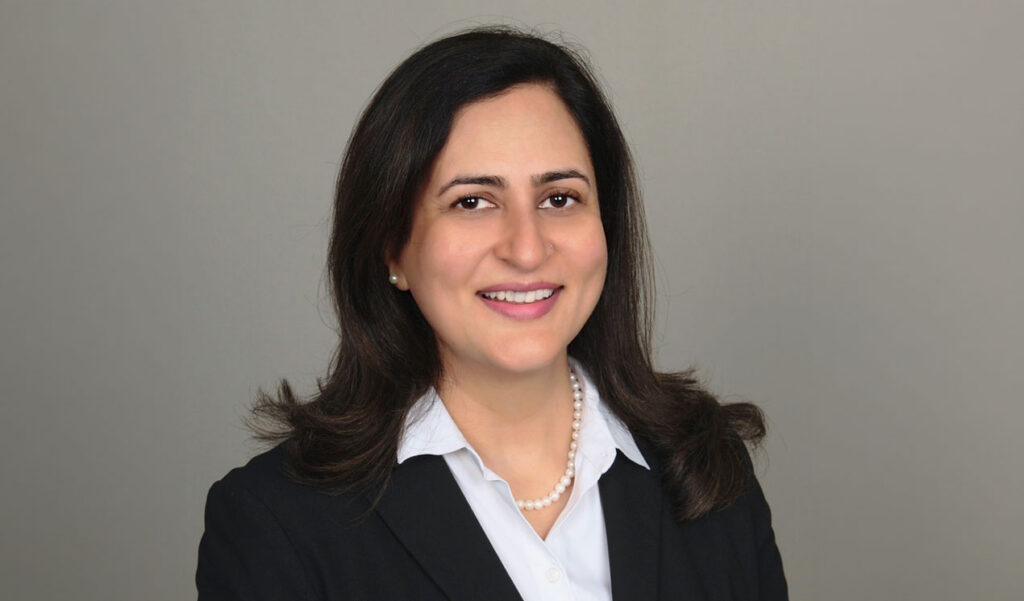
Veteran’s Mental Health
Mubashra Raza, MD, MPH. Chief, Psychiatry and Mental Health Service. Richard Roudebush VA Medical Center, Indianapolis.
Veteran’s Mental Health; Risks, Protective Factor, and Practical Care Pathways.
November 13, 2026
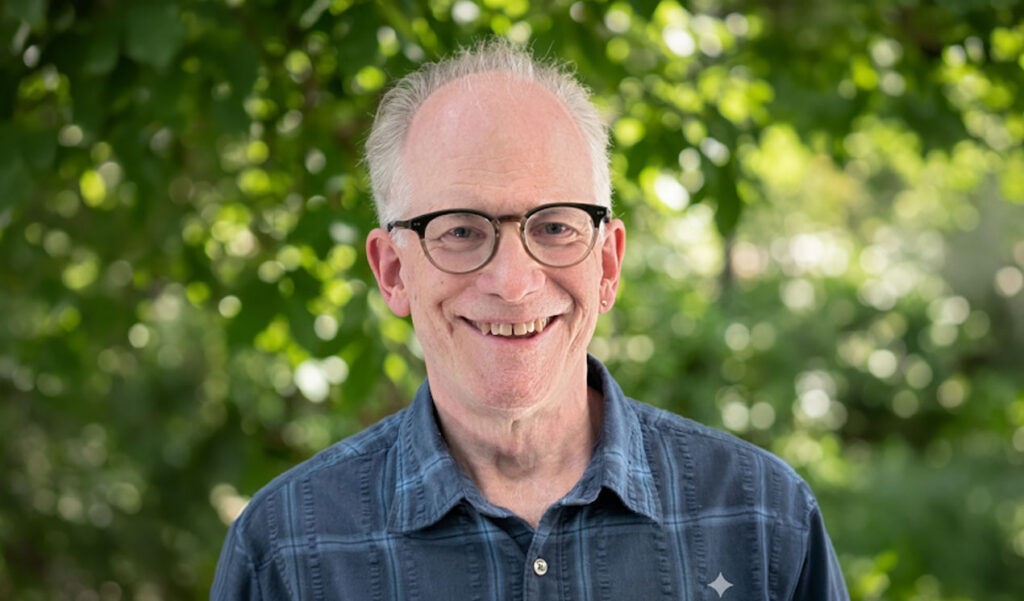
Navigating the Gray: Ethics, Laws, and Standards in Addiction Counseling
Jon Fader, LCAC, LCSW
Navigating the Gray: Ethics, Laws, and Standards in Addictions Counseling
Navigate the complex legal and ethical intersections unique to addictions treatment. This interactive session analyzes federal 42 CFR Part 2 mandates against Indiana statutes, contrasting ICAADA, NAADAC, ACA, and NASW codes. Through dynamic role-play and case analysis, apply an eight-step decision-making model to master boundary management, court demands, and client privacy.
November 13, 2026
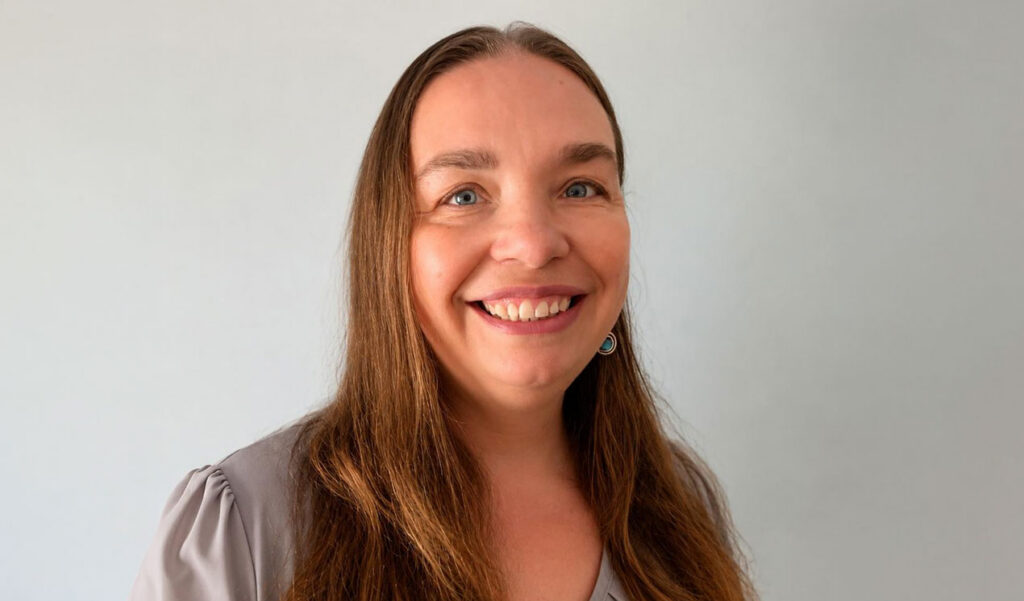
The Ethical Implications of Boundary Management in Recovery Support Work
Kimberly Brand, Centerstone, BS,CFRC, CADAC II, CSPR-CL
This presentation will explore the importance of establishing and maintaining healthy boundaries, including developing self-awareness of our own needs while recognizing and respecting the needs of others. Through stories and real-world examples, participants will examine loose, rigid, and healthy boundaries and consider the impact each can have on ourselves and those with whom we work.
The presentation will also address why boundary management can be particularly challenging within recovery support work, including the unique relational dynamics and responsibilities involved. Participants will explore the ethical implications of unhealthy boundaries and gain greater insight into how effective boundary-setting can support ethical, respectful, and sustainable recovery support relationships.
November 13, 2026
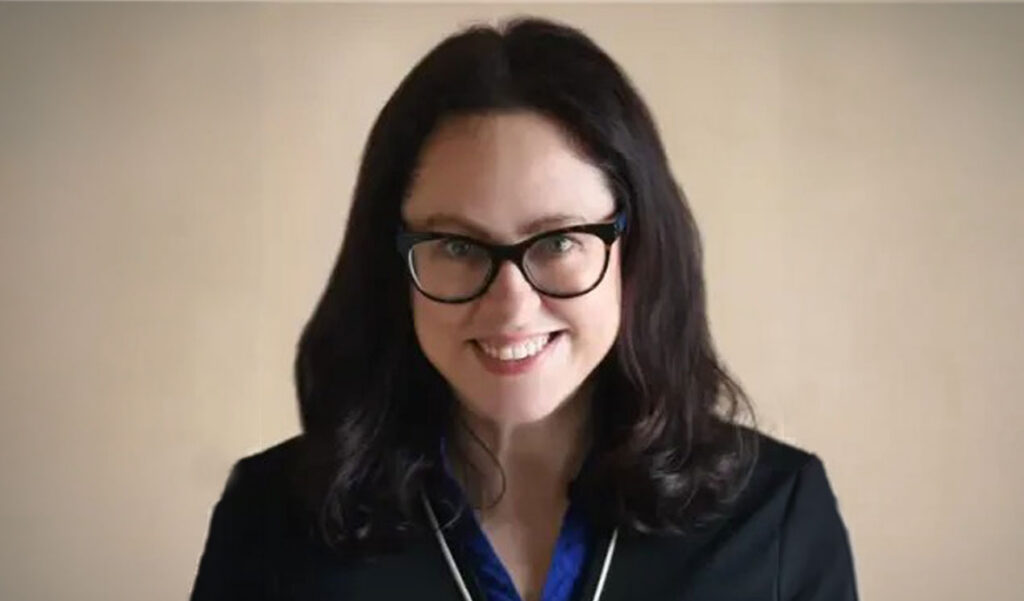
Psilocybin-assisted therapy in adults with depressive and co-occurring substance use disorders
Helen C Fox, PhD
Indiana University, School of Medicine, Dept. of Psychiatry
Psychedelics are experiencing a scientific renaissance, with interventions such as psilocybin-assisted therapy re-emerging as potentially novel treatments for a range of mental health conditions. While powerful lived experiences, traditional practices, and compelling patient narratives have helped drive interest in this field, the role of scientific research is to address the critical questions needed for responsible implementation. These include questions of safety, dosing regimens, therapeutic protocols, patient selection, and the mechanisms through which psilocybin may produce lasting therapeutic change.
This presentation will provide an overview of the neurobiology of psilocybin, its effects on brain function and psychological flexibility, and the importance of combining psilocybin with psychotherapy. Dr. Fox will review the current evidence for psilocybin-assisted psychotherapy in depression and substance use disorders, highlighting both the promise and the limitations of the existing research. The presentation will conclude with a discussion of future directions for the field, including safe and responsible implementation and an overview of Indiana University’s ongoing clinical trial in adults with treatment-resistant depression and co-occurring substance use disorders.
November 13, 2026
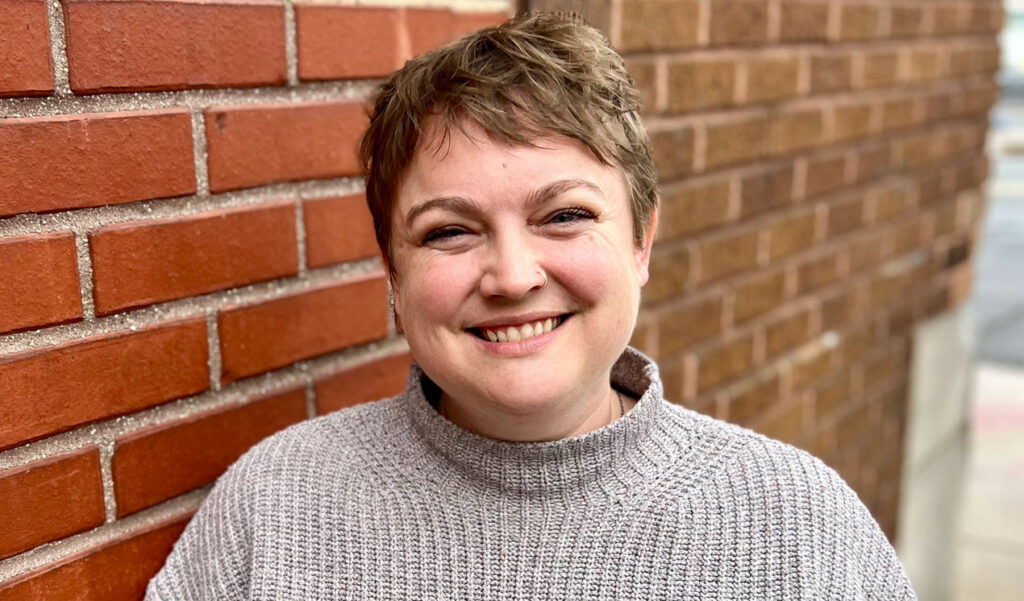
The ABC’s of Infant and Early Childhood Mental Health: Attachment, Brain-Building, and Community
Cassie Eberly, MA, ECMH-E
Director of Outreach and Training, INfancy Onward
Explore the foundations of infant and early childhood mental health (IECMH) and why it is essential to healthy development. Participants will learn about the importance of attachment, the brain science that supports IECMH, and how relationships and community environments can influence the mental health and well-being of infants and young children.
November 13, 2026
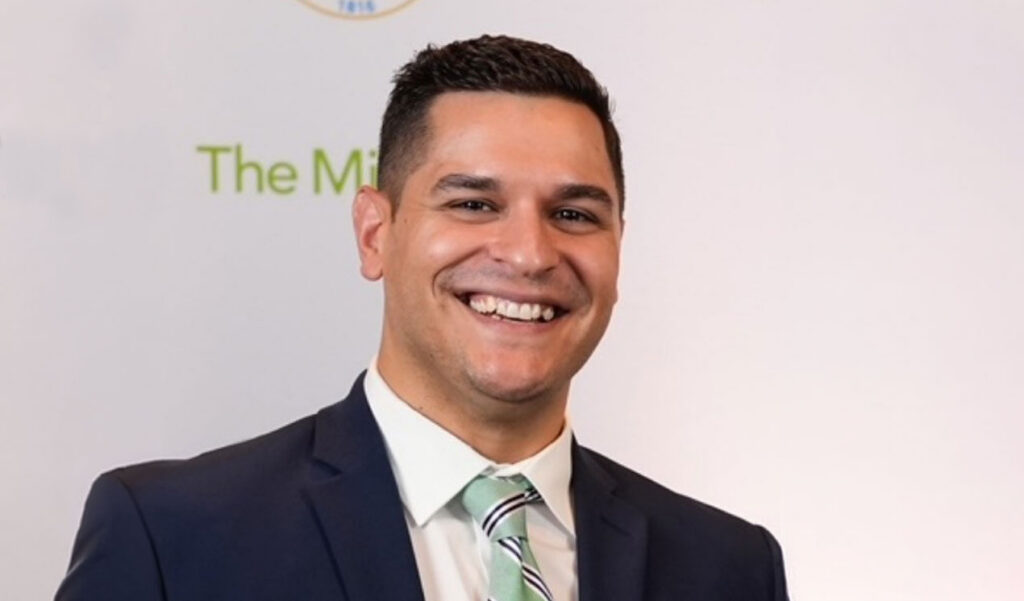
WorkOne as a Recovery Partner: Connecting Hoosiers to Employment, Training, and Career Support
Paul Patterson, Associate Director of Career Training, Indiana Department of Workforce Development
Employment, education, and career advancement can play an important role in a Hoosier’s economic stability, independence, and long-term recovery. Yet many behavioral health professionals and the individuals they serve may be unfamiliar with the employment, training, education, and career services available through Indiana’s WorkOne system.
This interactive session will demystify Indiana’s public workforce system and show how behavioral health professionals can connect clients to WorkOne resources. Through practical client scenarios, participants will learn the basics of WIOA, explore career and training services available to Hoosiers, understand when workforce funding or supportive services may be available, and develop strategies for building relationships with their local WorkOne offices.
Nominate a Hero
Hotel & Travel
Indianapolis Marriott East
7202 East 21st Street, Indianapolis, IN, 46219, US
Located in Indianapolis, Marriott Indianapolis East is in the business district, within a 15-minute drive of Indiana State Fairgrounds and Children’s Museum of Indianapolis. This hotel is 8.3 mi (13.4 km) from Gainbridge Fieldhouse and 8.5 mi (13.6 km) from Indiana University-Purdue University Indianapolis. Stay in one of 315 guestrooms featuring Smart televisions. Satellite programming provides entertainment and wired and wireless internet access is available for a surcharge. Private bathrooms with showers feature complimentary toiletries and hair dryers. Conveniences include phones, as well as safes and desks. Stop by the hotel’s restaurant, Skylight Bistro Wine Bar, for lunch or dinner. Dining is also available at the coffee shop/cafe, and room service (during limited hours) is provided.
Follow us on social media to stay up to date


If you have any questions, please email education@mhai.net